
Headache Behind Eyes: Is It Screens, Stress, or a Vision Problem?

Table of Contents
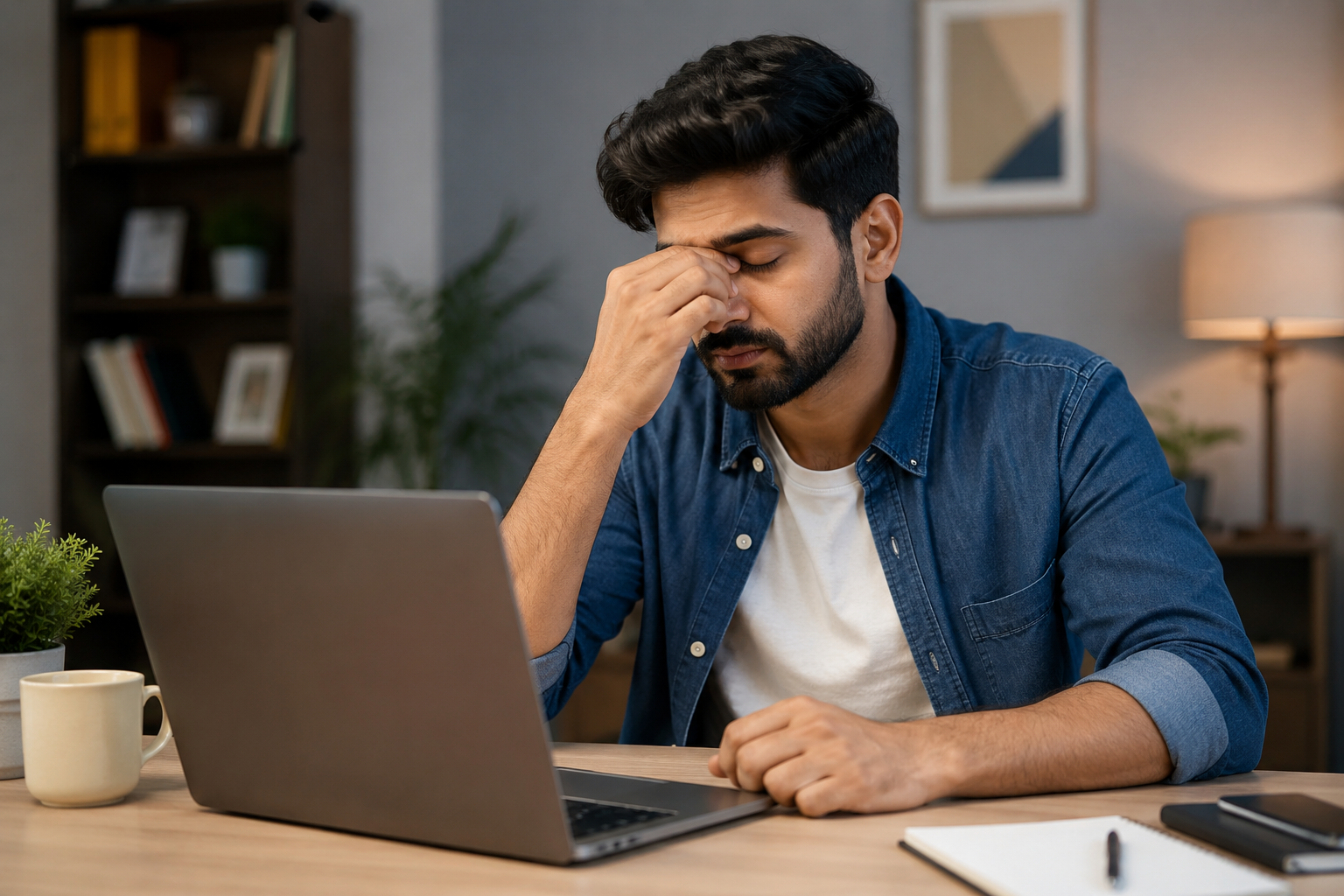
A dull ache behind your eyes after a long day looking at a screen can feel oddly specific. Is it stress after a hectic day, screens, or a quiet change in your vision? Most people dismiss it, hoping it will pass. However, when the same dull pressure keeps returning, it is worth knowing why it happens.
A headache behind the eyes can stem from many different sources, and differentiating them is the first step towards actual relief. Tension, screen fatigue, and uncorrected vision issues create similar discomfort, but each needs a different fix for lasting daily comfort.
What Does “Headache Behind the Eyes” Actually Mean?
This is not a single condition. It is a description of where your pain sits, and not why it is there. The pressure feels as though it comes from inside your eye socket, rather than spreading across the scalp.
Many people describe this sensation as a headache and pain behind the eyes, and this phrase captures something vital: the discomfort is localised and often worsens with reading or bright light.
Three main causes underlie most day-to-day experiences:
- Digital eye strain from screens
- Stress and tension headaches
- Uncorrected or changing vision
So, let’s look at each one more closely, starting with the most common culprit for anyone who spends hours at a stretch glued to their laptops or phones.
Cause 1: Screen Time and Digital Eye Strain
Before we jump straight into fixes, it is necessary to understand the causes of screen time and digital eye strain.
Why Screens Cause Headaches Specifically Behind the Eyes
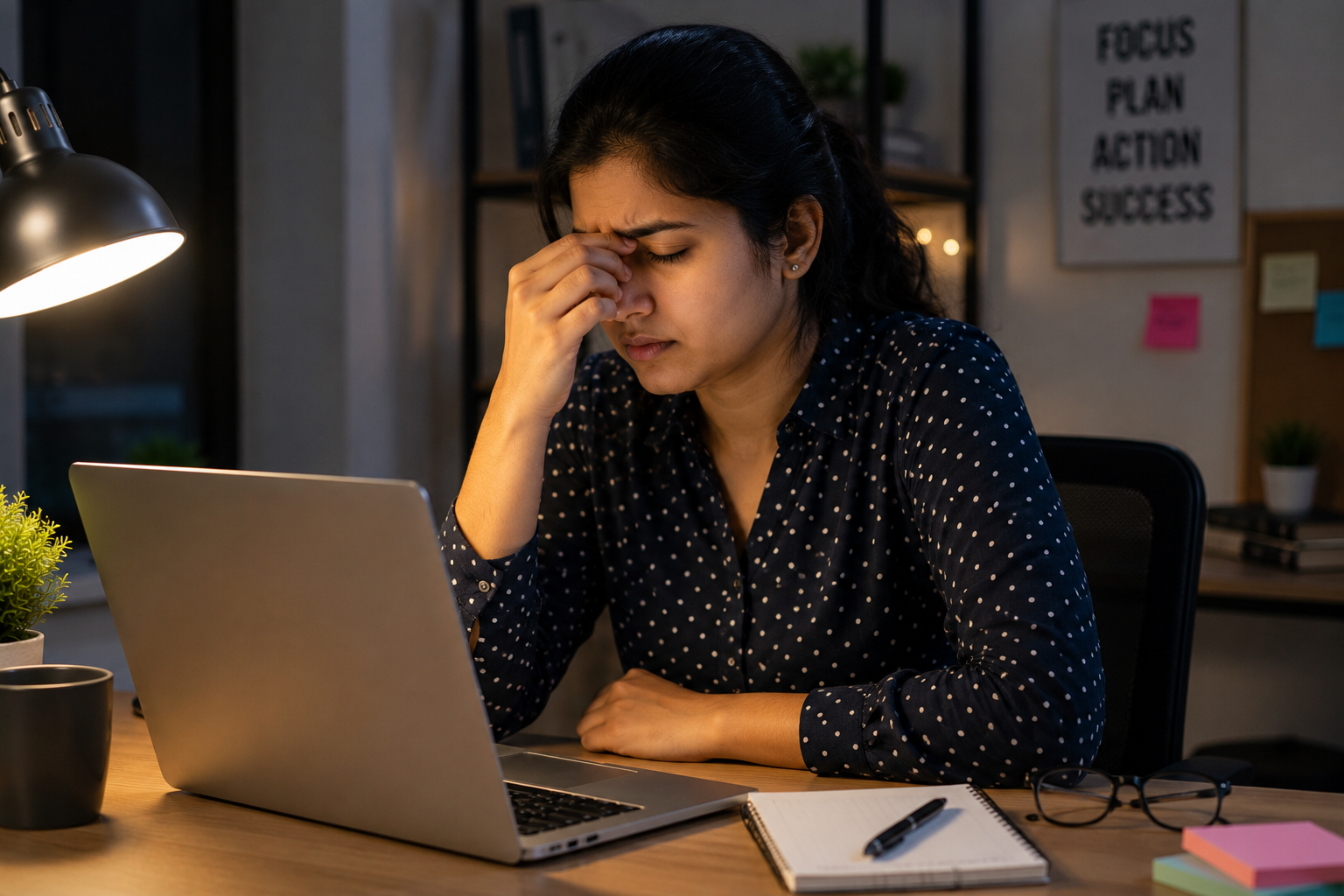
Screens demand constant, close-range focus. This forces your eye muscles to work overtime to keep text sharp, and you blink far less than usual while reading or scrolling. Your eyes dry out, and the surrounding muscles get tired, producing an ache that sits right behind your socket.
Blue light is often blamed, though the evidence for it is limited. Many people wonder whether blue light glasses work. They might reduce glare for some people, but it is not a guaranteed fix. The actual problem is usually how your eyes focus and not the light colour.
A headache behind the left eye after scrolling on a phone held too close may reflect more intense near-focus strain on that side.
How This Headache Feels vs Others
Digital eye strain headaches build slowly over hours of screen use and do not strike suddenly. They feel like a dull, steady pressure rather than a sharp throb, and they often ease once you look away, blink, or step outside for a few minutes.
An intense headache behind the right eye that comes on especially during a long video call or spreadsheet session and goes away once you close your laptop is a fairly classic sign of screen strain and not something more serious.
What Actually Helps, and What Doesn’t
Some simple habits can make an actual difference over time, even if no single trick works instantly:
Cause 2: Stress and Tension Headaches
Why Stress Shows Up Behind the Eyes
Stress tightens the muscles around your forehead, jaw, and temples, and this tension often radiates inward, settling as pressure behind your eyes rather than staying confined to your scalp. Moreover, poor sleep and habitual jaw clenching tends to make the pain worse over several days.
Some people feel this pain sitting more to one side, describing it as a headache on the left side of the head behind the eye that worsens during demanding weeks or periods of poor sleep.
How a Tension Headache Behind the Eyes Feels
Unlike screen strain, tension headaches bring a tight, band-like pressure across the head, with pain that often spreads into the neck and shoulders as the day goes by.
This is why people describe a headache behind the eyes and temples together, since the tension rarely stays isolated and spreads outward as the muscles around the skull remain contracted for hours on end.
Managing It at the Source
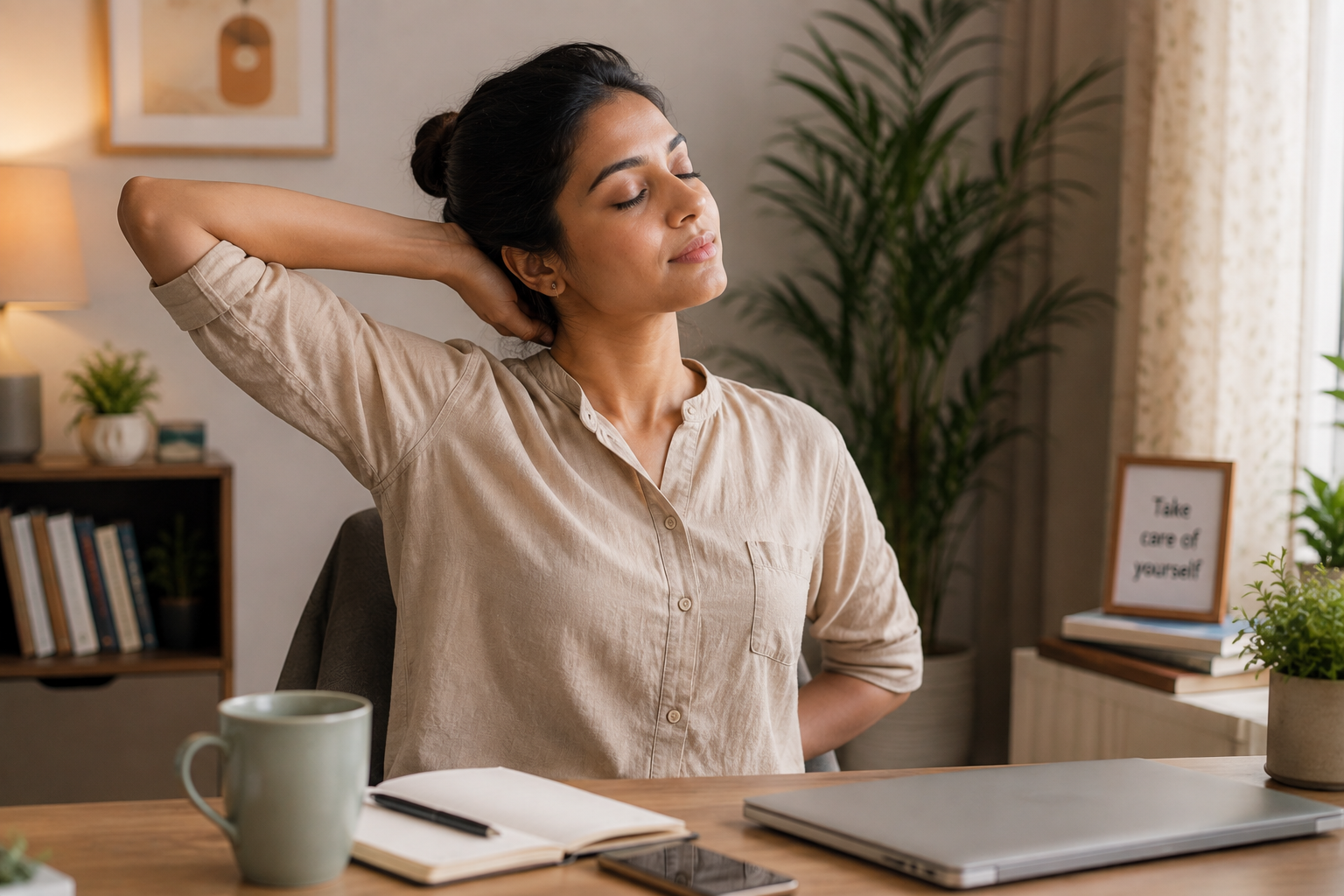
Since stress is the root cause, screen breaks alone usually will not solve a tension headache. Short breathing exercises, a consistent sleep schedule, and reduced caffeine later in the day tend to help in a week or two.
If stress headaches happen most days despite making these changes, it may be best to consult an eye specialist to rule out other contributing factors alongside stress levels, since the two can easily overlap and hide one another.
Cause 3: Uncorrected or Changing Vision
How Vision Problems Cause Headaches
When you strain your eyes to focus, whether from nearsightedness, farsightedness, or astigmatism, the surrounding muscles overwork constantly without you noticing. With time, this causes a continuous ache behind your eyes, especially after close-up tasks.
People sometimes complain about a headache behind the eyes and back of the head when your eye and neck muscles both compensate for the same underlying focusing problem, as squinting and craning the neck forward often go hand in hand.
The Pattern That Points to a Vision Cause
A few signs suggest that your eyes themselves, and not your daily habits, are the real culprit. Headaches that get worse after reading or close work, blurred or double vision, and you squinting more than usual are all worth paying attention to.
Waking up with headaches behind your eyes, even before any screen viewing, is a particularly strong sign that your prescription may require updating.
What the Eye Exam Will Check
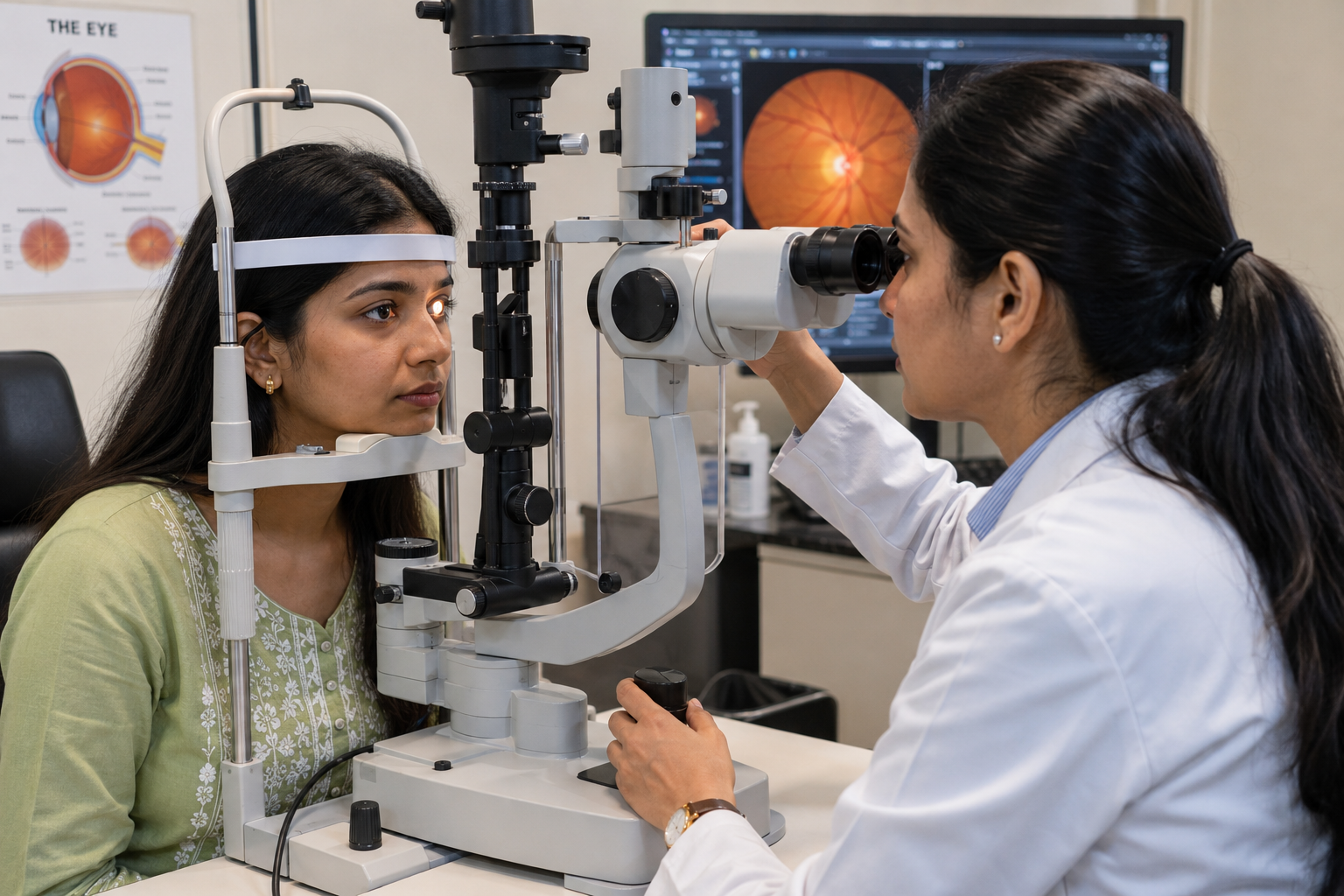
A proper eye exam checks far more than whether you can read a chart across the room. It also assesses:
Anyone who has repeatedly thought about why they are experiencing pain in the same eye should treat that pattern as a good reason to book this exam rather than guessing.
When to See an Eye Doctor for a Headache Behind the Eyes
Occasionally, this pain signals something more than just ordinary strain or stress. A cluster headache behind the left eye, for example, causes severe, one-sided pain, along with a watering eye, a drooping eyelid, or a blocked nostril, and it tends to strike in tight clusters over weeks.
Sinus pressure is another possibility worth ruling out, since the two conditions are easy to confuse. A headache in the sinus and behind the eye often arrives bundled with facial tenderness, nasal congestion, and pain that worsens when you bend forward or lie down flat.
How to Work Out What’s Causing Yours
It is advisable to keep a simple log for a week or two, as it makes identifying patterns easy. You should note when the pain begins, how long it lasts, whether it’s tied to screens, stress, or a specific time of day, and any other accompanying symptoms like nausea or visual changes.
This type of record makes it easier for a doctor to determine the actual cause of a headache behind the eyes quickly. Most cases of a mild, occasional headache resolve on their own with some rest and a few better daily habits. However, you should book an appointment if you notice headaches several times a week; sudden, severe pain unlike your usual pattern; vision changes such as double vision or halos; pain after a head injury; or a headache with fever, confusion, or vomiting.
A constant headache behind the eyes that shows no sign of easing even after resting, proper hydration, and lifestyle changes after two full weeks deserves a proper checkup rather than another round of over-the-counter painkillers, as it’s your body’s way of telling you to pay close attention.
Conclusion
Most days, the ache behind your eyes comes from screen strain, tight, tired eyes working through the day. A headache behind the eyes often goes away with rest, better lighting, and regular breaks within a few days of constant care, small daily adjustments, and steady mindful pacing.
However, if the pain keeps returning, worsens quickly, or comes with blurred vision, light sensitivity, or nausea, it deserves a proper check and not another painkiller. So, tracking when it occurs and what triggers it can give your doctor useful clues, turning guesswork into clear answers and, eventually, some lasting relief.
Frequently Asked Questions
Why Do I Get a Headache Behind My Eyes After Working on a Computer All Day?
Extended screen use reduces blinking and forces constant close-range focus, tiring the muscles around your eyes. You should try the 20-20-20 rule and regular breaks as part of a simple headache behind left eye remedies.
Can the Wrong Glass Prescription Cause Daily Headaches?
Yes. An outdated or incorrect prescription forces your eye muscles to overcompensate constantly. This strain often produces daily discomfort, especially during reading, screen work, or driving.
Do I Need to Prepare Anything Before My Eye Exam?
You should bring your current glasses, list any symptoms, and avoid wearing contact lenses for a few hours beforehand if possible. Note when headaches occur most, since this helps guide the examination.
Can Sinus or Migraine Problems Cause Headaches Behind the Eyes?
Yes. Migraines often localise as a headache behind the right eye or the left, sometimes with visual auras, nausea, or sensitivity to light. Sinus pressure produces similar discomfort, especially when bending forward or lying down flat.
What Is the Fastest Way to Relieve a Screen-Related Headache?
You should step away from screens, rest in dim lighting, and apply a cool compress over closed eyes for a few minutes. Hydration and artificial tears also help bring headache behind the eyes relief within thirty minutes.
Reviewed By:
Ophthalmologist, JNU Hospital, Jaipur
This article is for general educational purposes and does not replace personalised medical advice. If you think you may have eye problems, consult a qualified healthcare professional on MediBuddy.


