
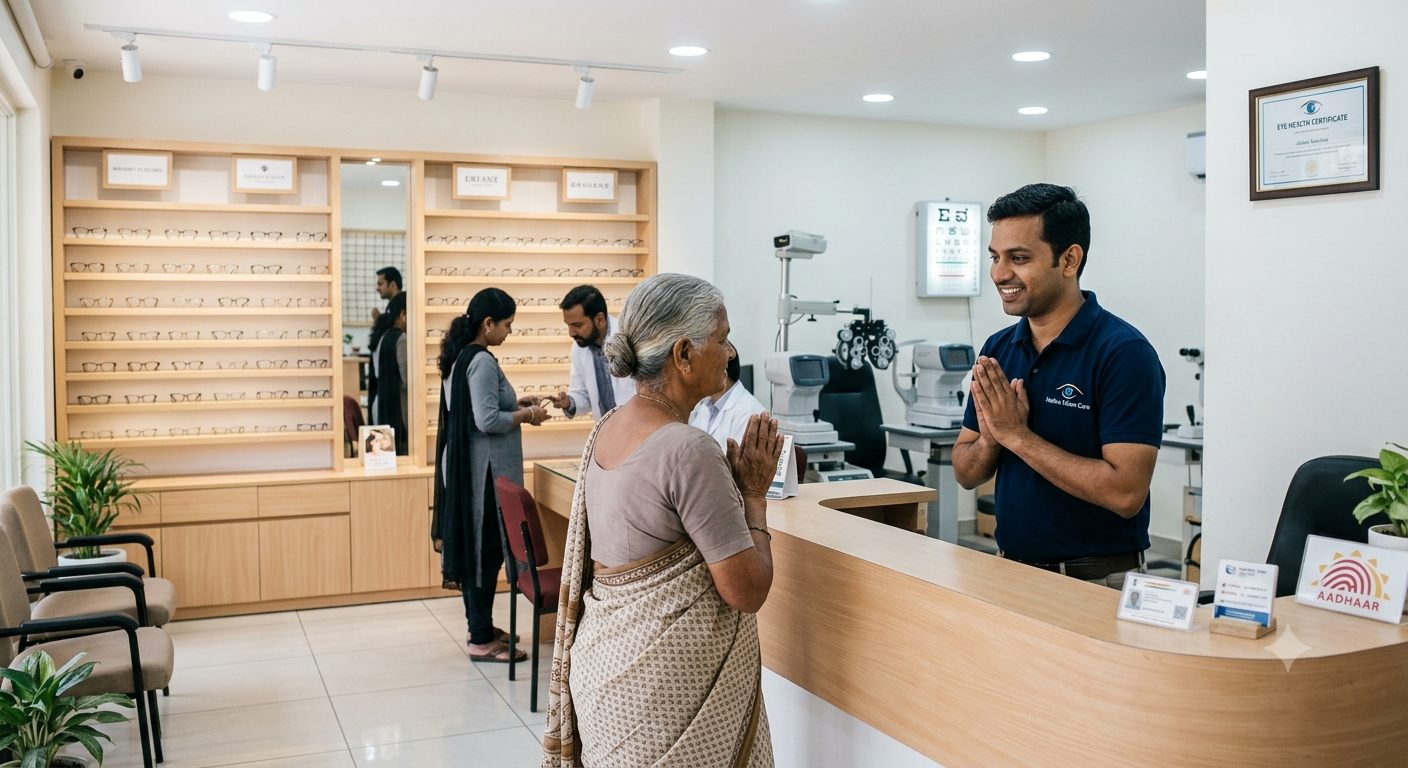
What Your Eye Exam Actually Checks For and Why It Matters

Table of Contents
Most people book an eye exam when their vision begins to blur. However, a routine eye check is far more than just your prescription. It can catch silent health issues long before you notice the symptoms. In fact, many eye conditions develop very quietly. They hardly cause pain in the early stages, so individuals often skip check-ups until something feels wrong, and by then the damage has already become permanent.
This guide will walk you through what actually happens inside the exam room. Additionally, it explains why each test matters and how it is connected to your whole health and not just your eyesight.
A Vision Test and an Eye Exam Are Not the Same Thing
A vision test simply checks how clearly you can see letters on a chart. It is rather quick but only measures sharpness of your sight. An eye exam, on the other hand, is a complete health check-up for your eyes.
It looks at your eye pressure, muscle coordination, retina health, and more. Therefore, relying on a vision test at a kiosk or a driving licence office is not enough, as many conditions go unnoticed for years.
Think of it this way: a vision test asks “can you see clearly?” while an eye exam asks for “are your eyes healthy?” Both queries matter, but only one provides the complete answer. Some people confuse a quick screening at a vision clinic about whether blue light glasses work with a genuine medical evaluation. Although these screenings are useful, they must never be replaced with a proper appointment with a trained expert.
What Actually Happens During a Routine Eye Exam?
A routine eye exam generally takes place in stages. Each stage verifies something different, and together they develop a complete picture of your eye health. The full process is guided by a trained optometrist or ophthalmologist. They explain every step, so you know what to expect next.
Step 1: Visual Acuity Test
This is the classic chart test. You are required to read some letters that progressively grow smaller line by line. It tells the doctor how sharp your distance and near vision are. Your outcome is usually written as a fraction like 6/6 or 20/20. A higher second number means you need to stand closer than average to see clearly.
Step 2: Refraction Test
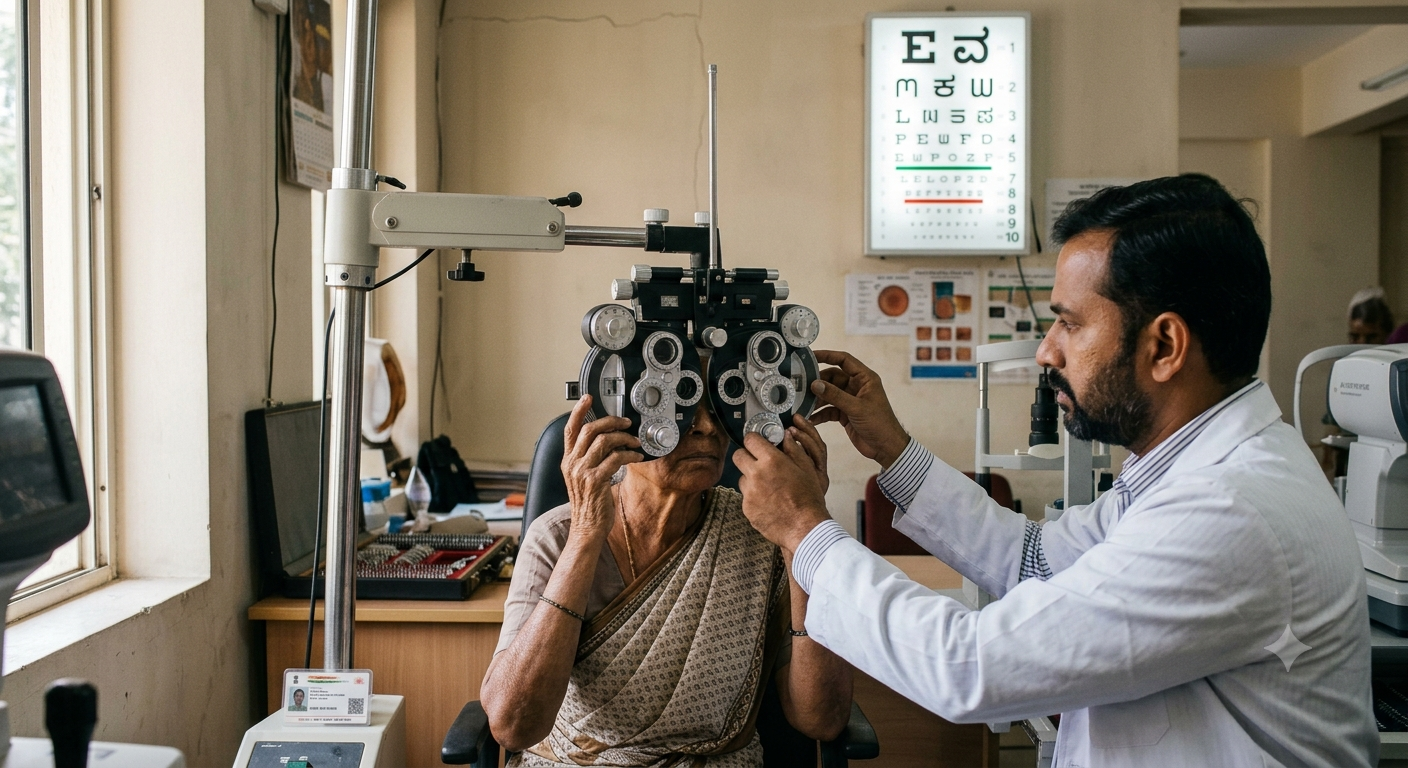
During a refraction eye exam, the specialist switches lenses in front of your eyes. This allows them to pinpoint the exact prescription you require for glasses or contacts. This step is essential for getting your exact prescription right. Moreover, it also helps detect astigmatism, since irregular curves in the cornea show up clearly here.
Modern day clinics often use a machine known as an autorefractor first. This provides a rough estimate, and then the doctor fine-tunes it manually for accuracy.
Step 3: Eye Pressure Test (Tonometry)
This test measures the pressure inside your eyes. High pressure can also be an early sign of glaucoma, even if your vision feels completely normal. Some clinics use a gentle puff of air, while others use a small probe that lightly touches your eyes after numbing drops are applied to them.
Step 4: Retinal and Optic Nerve Examination
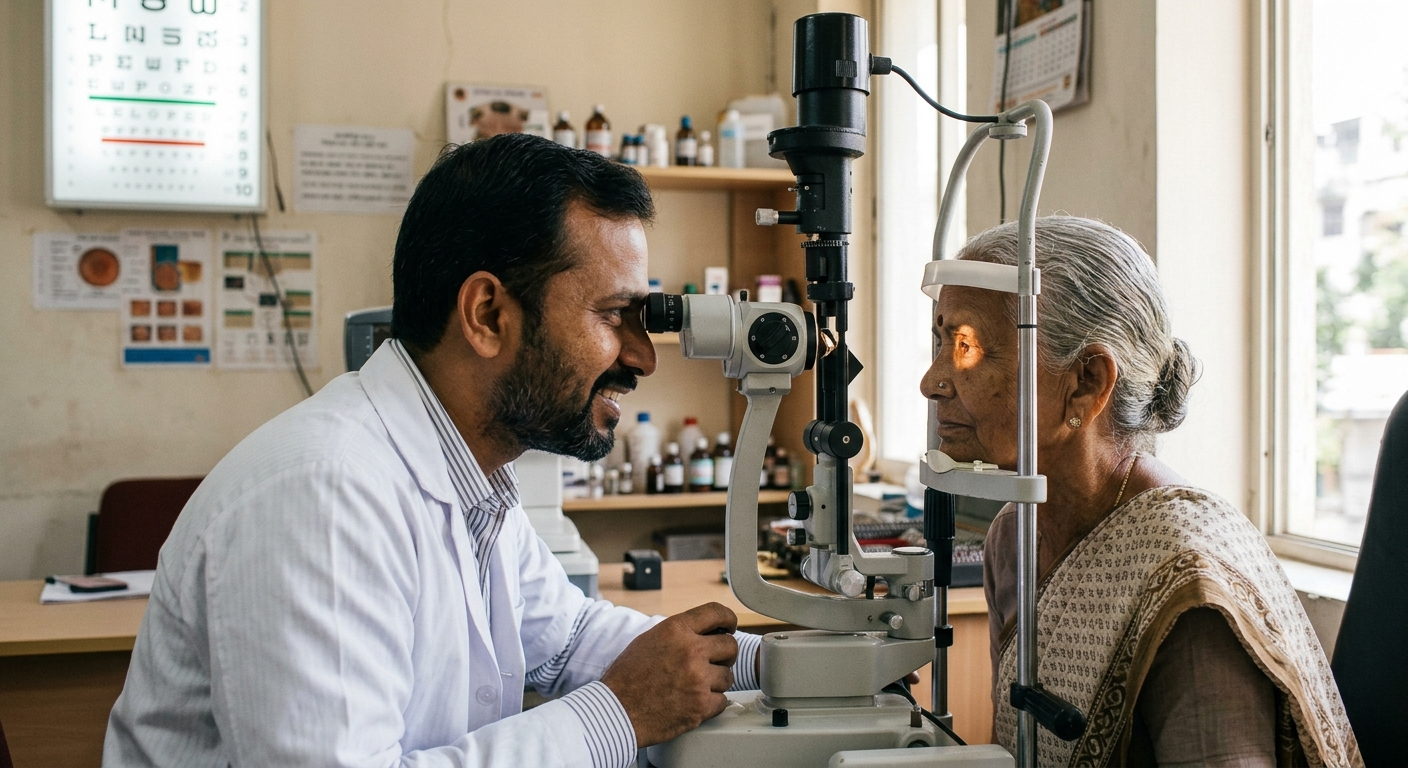
For this test, the doctor uses drops to widen your pupils. A retinal eye exam gives a clear vision of blood vessels, the retina, and the optic nerve. This step matters because it can reveal diabetic damage, hypertension problems, and other problems long before you feel unwell.
Some clinics are now using digital retinal photography instead of dilation. This creates a permanent image that your doctor can compare year after year,
Step 5: Eye Muscle and Coordination Check
Lastly, the doctor checks how well your eyes move and work together. This step catches problems like lazy eye, squint, or double vision. Additionally, you may also be asked to follow a moving light or pen with your eyes. This simple exercise reveals a surprising amount of detail about muscle strength and nerve control.
What an Eye Exam Can Detect Beyond Your Prescription?
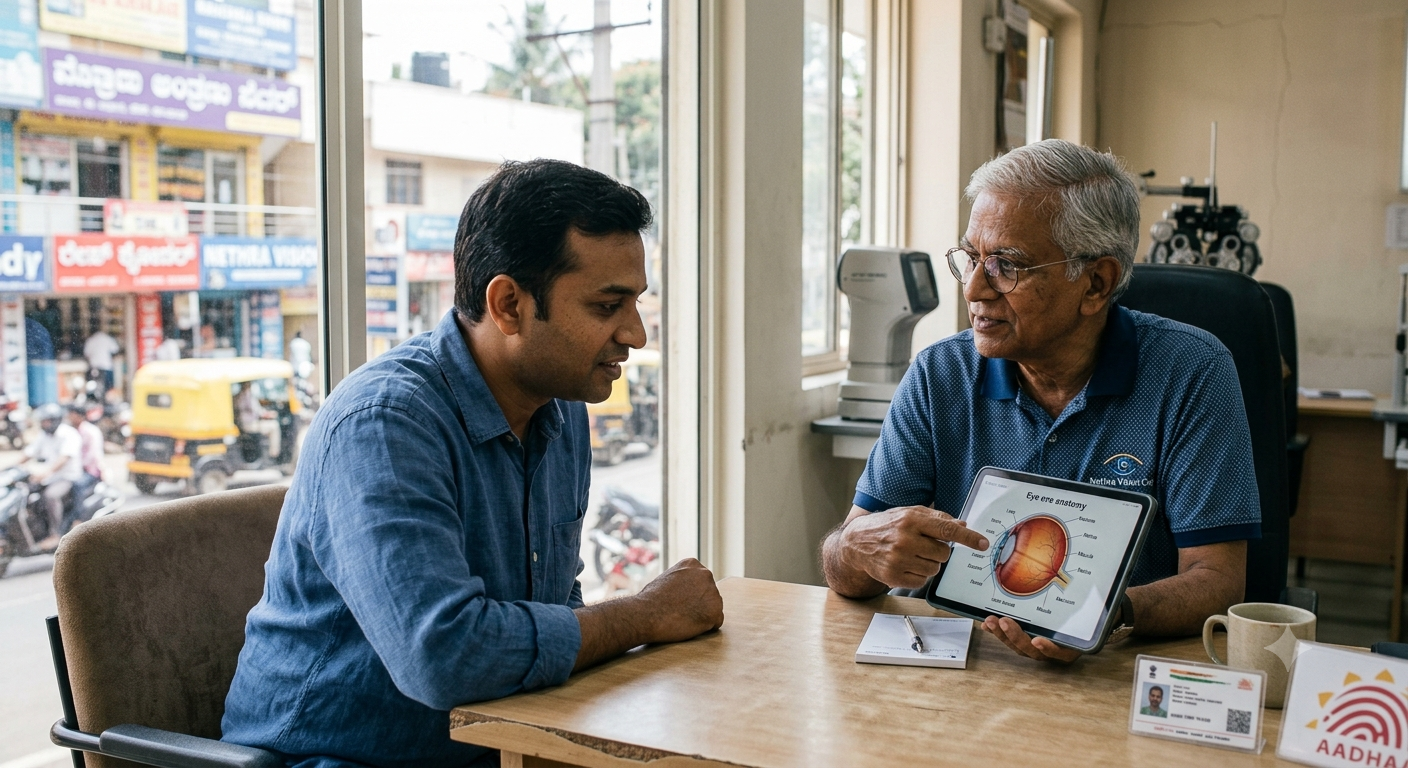
An eye exam is not just about what glasses or medications will suit my eye condition? It often reveals health clues that are connected to your entire body, and not just your eyes. The eyes are unique because it is the only place in the body where the doctors can directly view your blood vessels and nerve tissue without surgery. This makes routine checks especially valuable for spotting issues early.
Refractive Errors: Myopia, Hyperopia, and Astigmatism
Myopia means you struggle with distant objects. Hyperopia means near objects look blurry to you. Astigmatism causes blurred vision at any distance due to an irregular cornea shape.
Your ophthalmologist reads your eye exam prescription with precision, interpreting each value accurately. Typically, "SPH" indicates lens power, "CYL" reflects astigmatism correction, and "AXIS" specifies its exact direction." Usually, “SPH” also shows lens power, “CYL” shows astigmatism correction, and “AXIS” showcases its direction.
A negative SPH number generally means myopia, while a positive number usually means you have hyperopia. Moreover, larger numbers simply mean a stronger correction is required. Once you understand your numbers, choosing glasses becomes much easier. You can discuss lens kind, coatings, and a frame fit with more confidence.
Glaucoma: The Condition That Has No Warning Signs
Glaucoma damages your optic nerve slowly. Most people feel nothing until they lose a significant part of their peripheral vision. This is the reason why regular eye pressure checks matter so much. If glaucoma runs in your family, you must mention it to your doctor. An early detection can stop permanent vision loss via timely treatment.
Moreover, treatment choices range from simple eye drops to laser procedures. However, none of these can restore your vision that you have already lost, which is why early screening is so vital.
Early Signs of Diabetic Eye Disease
A diabetic eye exam helps detect changes in the blood vessels of your retina. Diabetes can cause these vessels to leak or swell, leading to a condition called diabetic retinopathy. Most doctors recommend yearly retinal checks for anyone suffering from diabetes, even when their vision still feels sharp and clear.
Moreover, if it is left untreated, diabetic retinopathy can increase silently and will eventually threaten your central vision. Fortunately, early-stage changes are manageable with some lifestyle and medical adjustments.
High Blood Pressure and Other Systemic Conditions
Your retina shows tiny blood vessels that reflect your complete vascular health. Therefore, an eye exam can hint at high blood pressure or cholesterol issues. Moreover, doctors also sometimes spot narrowed or crossing blood vessels, a pattern linked to hypertensive retinopathy. This finding usually prompts a referral back to a general physician.
If headaches keep troubling you, it’s worth reading about headaches behind the eyes or asking your doctor.

How Often Do Adults Actually Need an Eye Exam?
Eye exam frequency relies on your age and health history. So, here is a simple reference guide for most healthy people.
People with high blood pressure, diabetes, or a family history of eye disease often require more frequent visits than the general guideline mentions. So, you must always consult an eye specialist if you fall into a high-risk group.
Signs You Are Overdue for an Eye Test
Some warning signs suggest it is time to book a check-up rather than wait for your next scheduled visit. These signs are easy to dismiss as stress or tiredness. However, ignoring them time-and-again can allow a treatable issue to worsen over time.
- You squint often when you read signs or screens.
- You get frequent headaches after screen time.
- Your last routine eye exam was over two years ago.
- You notice new floaters, blurry patches, or flashes.
- Your child struggles to see the classroom board.
What to expect When You Book an Eye Test
Booking an appointment with an eye specialist is easy, as most clinics provide same-week appointments for routine checks. You must expect to spend around 30-45 minutes in total. Additionally, if your pupils get dilated, then your vision may stay blurry for a few hours afterwards.
Sunglasses can help reduce light sensitivity on your way home after your eyes are dilated. If it's your first time having your eyes dilated, avoid driving yourself home.
Practical Tips for Your Visit:
- You must carry your current glasses or contact lens details.
- List any family history of eye disease.
- Arrange a ride if drops are used.
- Avoid wearing eye makeup on exam day.
- Note any signs like floaters or headaches.
Finally, you must try to schedule your appointment when you are not rushing. A relaxed visit permits the doctor to explain your results clearly and answer any questions that you might have.
Conclusion
An eye exam does much more than just update your glasses prescription. It protects your vision and flags any hidden health risks early, so do not skip your next visit. Whether it’s a routine eye exam for yourself or a pediatric eye exam for your child, this small time investment pays off in the longer run. Your eyes, and often your broader health, will thank you.
Frequently Asked Questions
How Long Does a Routine Eye Exam Take?
Most routine eye exams take between 30-45 minutes. It depends on whether pupil dilation is included, as complex cases may take a little longer.
Is an Eye Exam Painful or Uncomfortable?
No, an eye exam is usually painless. You might feel a brief puff of air during the pressure test or mild brightness during the retinal check.
Do I Need to Prepare Anything Before My Eye Exam?
You should bring your current glasses and a list of medications, and arrange transport in case your pupils are dilated. Additionally, it helps to note any recent changes in your vision.
Can an Eye Exam Detect Diabetes or High Blood Pressure?
Yes, a diabetic eye exam and retinal check can reveal early blood vessel changes that are linked to diabetes and high blood pressure, even before any other symptoms appear.
What Is the Difference Between an Optometrist and an Ophthalmologist?
An optometrist handles routine eye exams and prescriptions, while an ophthalmologist is a medical doctor who treats eye diseases and performs surgery.
My Vision Seems Fine. Do I Still Need a Regular Eye Exam?
Yes, many conditions like glaucoma show no early symptoms, so a routine eye exam is still vital even if you have clear vision.
Can Children Skip Regular Eye Tests If They Are Not Complaining About Their Vision?
No, children often do not realise their vision is abnormal, so a pediatric eye exam should still happen on schedule, even without any complaints.
Reviewed By:
Ophthalmologist, JNU Hospital, Jaipur
This article is for general educational purposes and does not replace personalised medical advice. If you think you may need an eye exam, consult a qualified healthcare professional on MediBuddy.


