

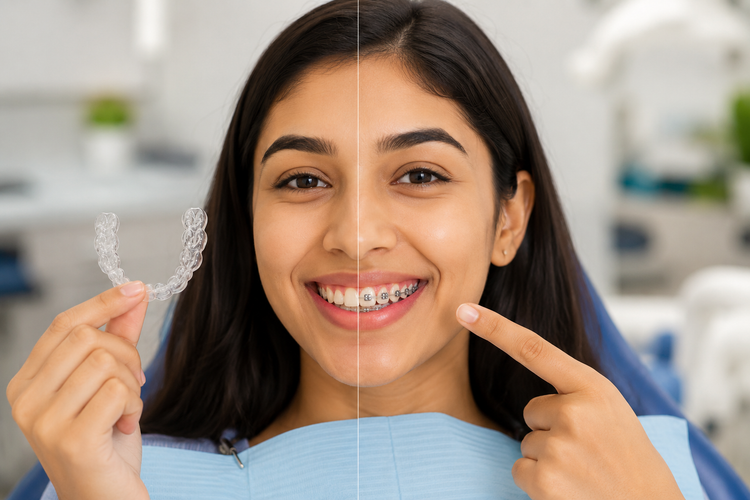
Straightening your teeth is a big decision, and most people find themselves stuck between two popular choices for a perfectly aligned smile. Both can deliver great results in the right case, but they work differently, cost differently, and fit into your lifestyle differently.
If you have been wondering what to choose, then you have probably noticed the aligners and braces comparison pops up everywhere, and for good reason. This guide will break down the mechanism behind each treatment, which one will suit you better, and what to expect in terms of comfort, cost, and outcomes, so you can be confident about your decision.
How Do Aligners and Braces Actually Work?
Before we compare the two different treatment options, it is better to understand what each one does inside your mouth.
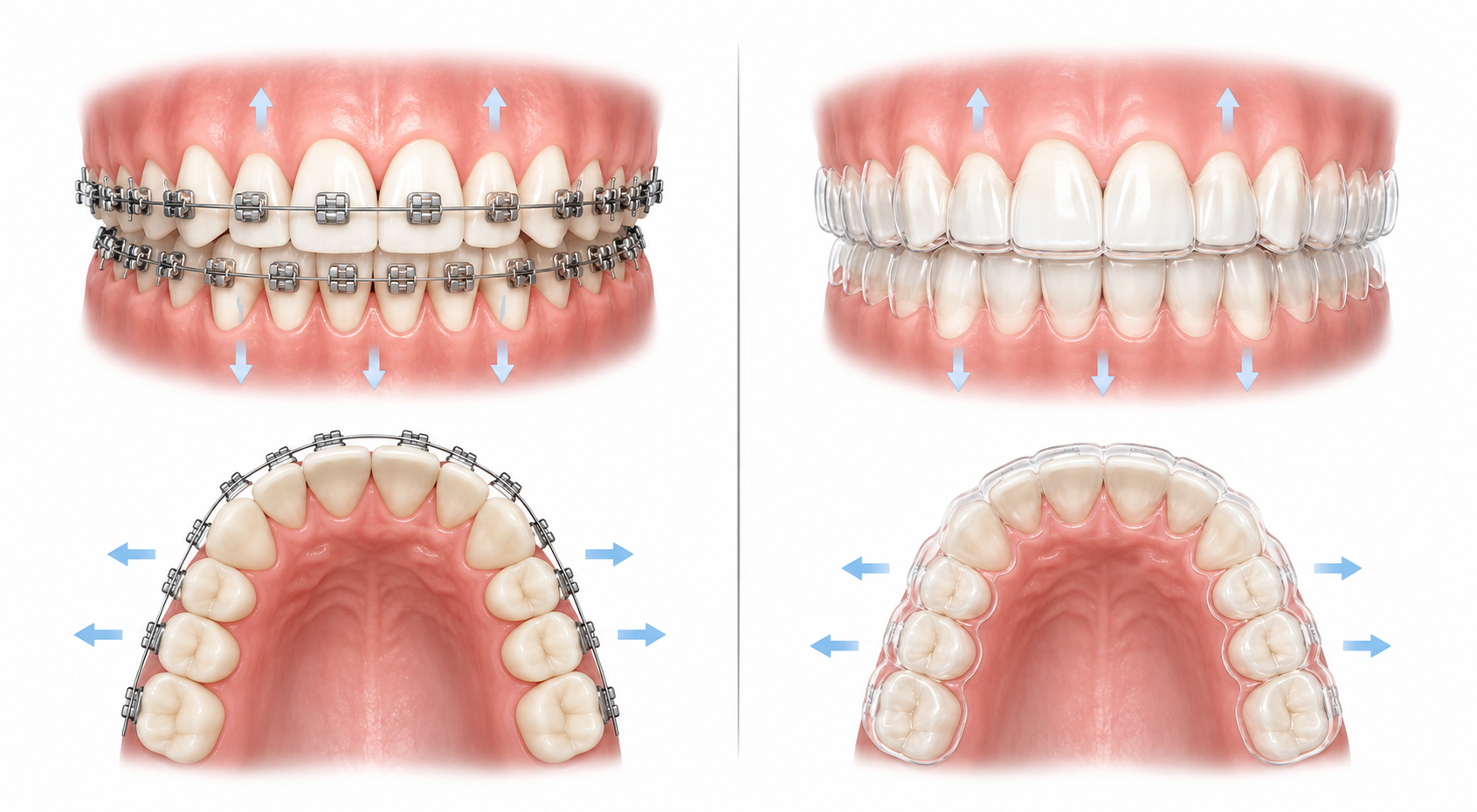
Braces, use metal or ceramic brackets bonded to each tooth, connected by a thin archwire. The orthodontist tightens or adjusts this wire periodically, so it applies constant, gentle pressure that slowly shifts your teeth into the correct position over a span of months or years.
Aligners, on the other hand, are a series of custom-made, clear plastic trays. Each tray is worn for one or two weeks before you switch to the next one in the series. Each new tray is different from the previous one, which nudges your teeth a little closer to their final position.
Both approaches rely on the same principle of gentle, sustained pressure, but the method and daily experience are quite different:
- Braces are fixed, and you cannot remove them until your treatment ends.
- Aligners are removable, so you can take them out to brush and eat.
- Braces use wires and brackets, whereas aligners use a sequence of trays.
- Both need regular check-ins with your orthodontist to track progress.
This difference in mechanism is exactly why the debate around teeth aligners vs braces keeps coming up. After all, being able to remove them changes almost everything about your daily treatment.
It’s also worth understanding that both treatments are usually planned out for you after your first visit. Your dentist or orthodontist will take your digital scans, X-rays, and photographs to map out exactly how your teeth need to move.
With braces, this plan gets executed via periodic wire adjustments in the clinic. Aligners, on the other hand, use a complete sequence of trays that is often made in advance, based on a 3D model of your predicted tooth movement, so you just progress through the sets at home.
Both methods can be equally effective when matched to the correct case. The actual difference lies in your daily life, treatment speed, and how visible the process is to people around you.
What Each One Handles Well and What It Doesn’t
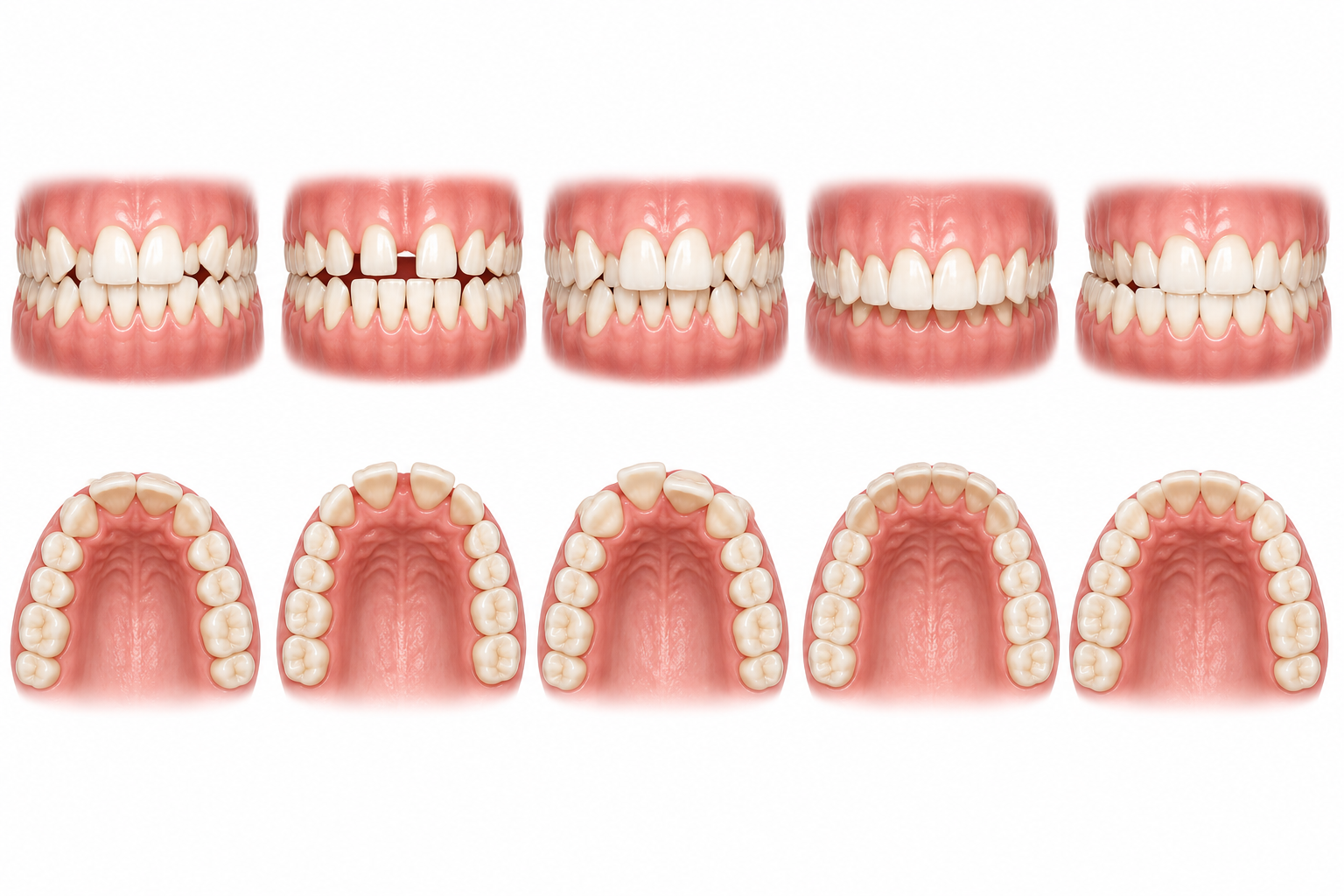
Neither option is universally “superior”. Each one is appropriate for a particular kind of dental problem, and knowing where one shines can make your decision much easier. So, before we get into individual cases, here’s a quick snapshot of the kind of issues each treatment handles best.
This table is only the beginning. Your dentist will still need to examine your bite and X-rays before deciding which route makes sense for you.
Cases Where Braces Have the Advantage
Braces are usually the go-to option for more complicated orthodontic problems because they provide precise, continuous control over your tooth movement. They work well for:
- Severe crowding or significant gaps between your teeth.
- Complicated bite problems that include underbite, overbite, and crossbite.
- Cases that involve rotating teeth or shifting them vertically.
- Situations where the patient may not be disciplined enough to wear removable trays with consistency.
As braces are fixed in place, there is no risk of you forgetting to wear them, an advantage that matters especially for younger patients.
One common concern people have before going ahead with treatment is whether the process is uncomfortable. It's worth asking do braces hurt before you commit, as knowing what to expect can ease a lot of first-time anxiety.
Cases Where Aligners Have the Advantage
Aligners usually work best for mild to moderate alignment problems. Their biggest strengths are convenience, appearance, and flexibility. They are a strong fit for:
- Mild to moderate crowding or spacing problems.
- Minor bite corrections.
- Adults who want a nearly invisible choice for professional settings.
- Individuals who want the option to remove their trays for sports, meals, or special occasions.
As aligners are virtually transparent, many adults especially search for invisible aligners vs braces when comparing choices, especially if they work in client-facing roles and have a personal preference for a subtler look.

Aligners vs Braces: Side-by-Side Comparison
This is where things really come into focus. When people ask which is better, aligners or braces, the honest answer is that it depends on the exact factors laid out below. Use this table as your quick-reference guide.
If you are deciding between braces and clear aligners purely on the basis of daily convenience, aligners tend to win. If you are dealing with a more complex bite problem, cost becomes less important than which option can really deliver the outcome you require.
That said, budget remains a valid concern for most families, and it’s worth checking typical braces cost in India before your first consultation so you walk in with realistic expectations.
Age and Aligners vs Braces: Does It Matter?
Age genuinely does influence which treatment your dentist or orthodontist recommends, especially because it affects discipline, jaw development, and how predictable the outcome will be.
For Children and Early Teens
For younger patients and teens, braces remain the more common recommendation, especially when their jaws are still developing and more significant corrections may be required. Moreover, fixed braces remove the risk of a child simply forgetting to wear their aligners, which can derail an entire treatment plan.
- Braces can guide jaw growth alongside tooth alignment.
- They don't rely on the child remembering to wear anything.
- They handle a wider range of complexity, including baby teeth transitions.
For Adults
Adults often lean toward aligners because cases of teeth alignment for adults is usually milder and more cosmetic in nature. Many adults also ask which option is better, simply because they want a treatment that fits quietly into a busy professional life.
- Aligners are discreet and barely noticeable in meetings or photos.
- They can be removed for important events without any hassle.
- They require more self-discipline, since they must be worn 20-22 hours a day to work properly.
That said, age alone is not the deciding factor. A disciplined teenager who reliably wears their trays can do just as well with aligners as an adult, and an adult with a complicated bite may still need braces despite being well past their teenage years.
What matters most is the complexity of the case and how consistently the person will stick to the treatment plan, whether that means keeping trays in for the recommended hours or showing up for regular wire adjustments. So, if you are wondering are teeth aligners better than braces, the best answer comes from a conversation with your doctor, based on your specific needs.
How to Choose Between Aligners vs Braces?
At this point, you probably have a decent sense of where you lean, but a few practical questions can help confirm the right choice:
- How complex is your misalignment or bite problem?
- Do you need a fully invisible option for work or social situations?
- Are you disciplined enough to keep removable trays in for most of the day?
- What does your budget realistically allow for?
- How important is treatment speed to you?
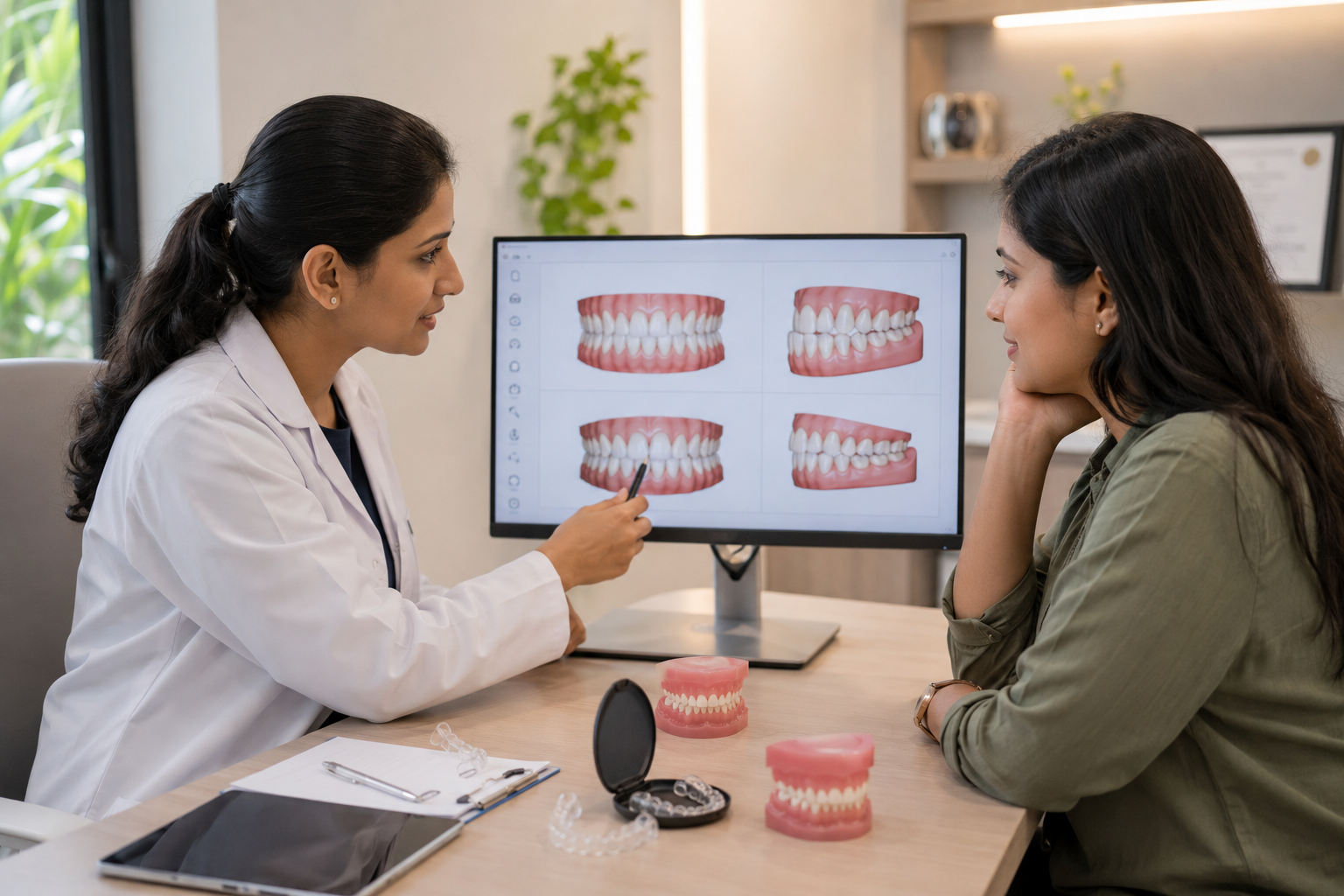
There is no shortcut around getting a professional opinion here. X-rays, bite analysis, and a physical examination are all vital in deciding which treatment will actually work for your mouth.
Before making a final decision, it's worth taking the time to consult a dentist who can evaluate your particular case and walk you through realistic timelines and results. This one step often saves many people from switching treatments halfway through, which can be both frustrating and expensive.
It is also worth planning for cost in advance, since both treatments involve multiple visits spread over many months. Additionally, it helps to get a clear estimate early on and to ask your clinic about payment plans, insurance coverage, and what is included in the quoted price, such as follow-up visits, minor repairs, or retainers after treatment ends.
Conclusion
Choosing between clear trays and traditional metal brackets comes down to your dental needs, budget, and how much you want your treatment to blend into daily life. Both options work well when used correctly, and both are backed by decades of orthodontic research and proven results for patients.
There is no single universal winner in the ongoing aligners vs braces debate, only what fits your case and comfort best. So, talk to your orthodontist, share your objectives and lifestyle, and let them guide you toward the choice that gives you a confident, healthy smile for years to come.
Frequently Asked Questions
Can Aligners Fix the Same Problems as Braces?
Not always. Aligners work well for mild to moderate problems, but braces remain more effective for severe crowding, complex bite issues, or cases needing precise tooth rotation.
Are Aligners Painful Compared to Braces?
Aligners are generally more comfortable since there are no wires or brackets. You may feel mild pressure with each new tray, but it's usually more manageable than braces.
At What Age Can Someone Start Using Aligners?
Most orthodontists recommend aligners once permanent teeth have fully come in, typically around the early teenage years, though it varies depending on individual dental development.
Should I Get Braces or Aligners for My Teenager?
It depends on the case complexity and your teen's discipline. Braces suit complex issues well, while aligners work if your teenager will wear them consistently every day.
Which Is Better for Adults: Braces or Clear Aligners?
For adults with mild to moderate issues, aligners are often preferred for their discreet look. For more complex adult cases, braces may still deliver more predictable results.
Reviewed By:
Dentist, IRIS Healthcare Clinic, Pune
This article is for general educational purposes and does not replace personalised medical advice. If you think you may have dental problems, consult a qualified healthcare professional on MediBuddy.