
How to Remove Acne Scars Naturally and When to Stop Trying

Table of Contents
A breakout often leaves a mark behind after it heals. Many people wonder why some of these marks fade with time while others do not. Not every reddish or brown patch left after a pimple is a true scar, and not every scar responds to home remedies.
This guide explains the actual difference between temporary marks and lasting scars and how to remove acne scars naturally where evidence permits. Additionally, it covers which claims are unverified, and when it's smart to stop experimenting at home and seek guidance from a dermatologist.
Not All Acne Marks Are Scars
Not every mark that is left behind after acne is a scar in medical terms. “As per the American Academy of Dermatology, a flat patch of colour that appears after a pimple heals is generally post-inflammatory hyperpigmentation, and not a real scar.”1 This type of mark can look pink, red, brown, or a little darker than the surrounding skin, depending on your skin tone.
True acne scars are different. They form when inflammation damages the collagen within your skin, changing its structure unless treated. Dermatologists broadly divide them into atrophic scars, which are pitted or depressed, like ice-pick, boxcar, and rolling scars, and hypertrophic or keloid scars, which are raised.
This distinction matters because scars and marks react differently over time. Post-inflammatory marks often fade on their own after a few weeks, especially with sun protection. True scars, on the other hand, involve deeper tissue changes and usually need something more than home remedies to improve significantly.
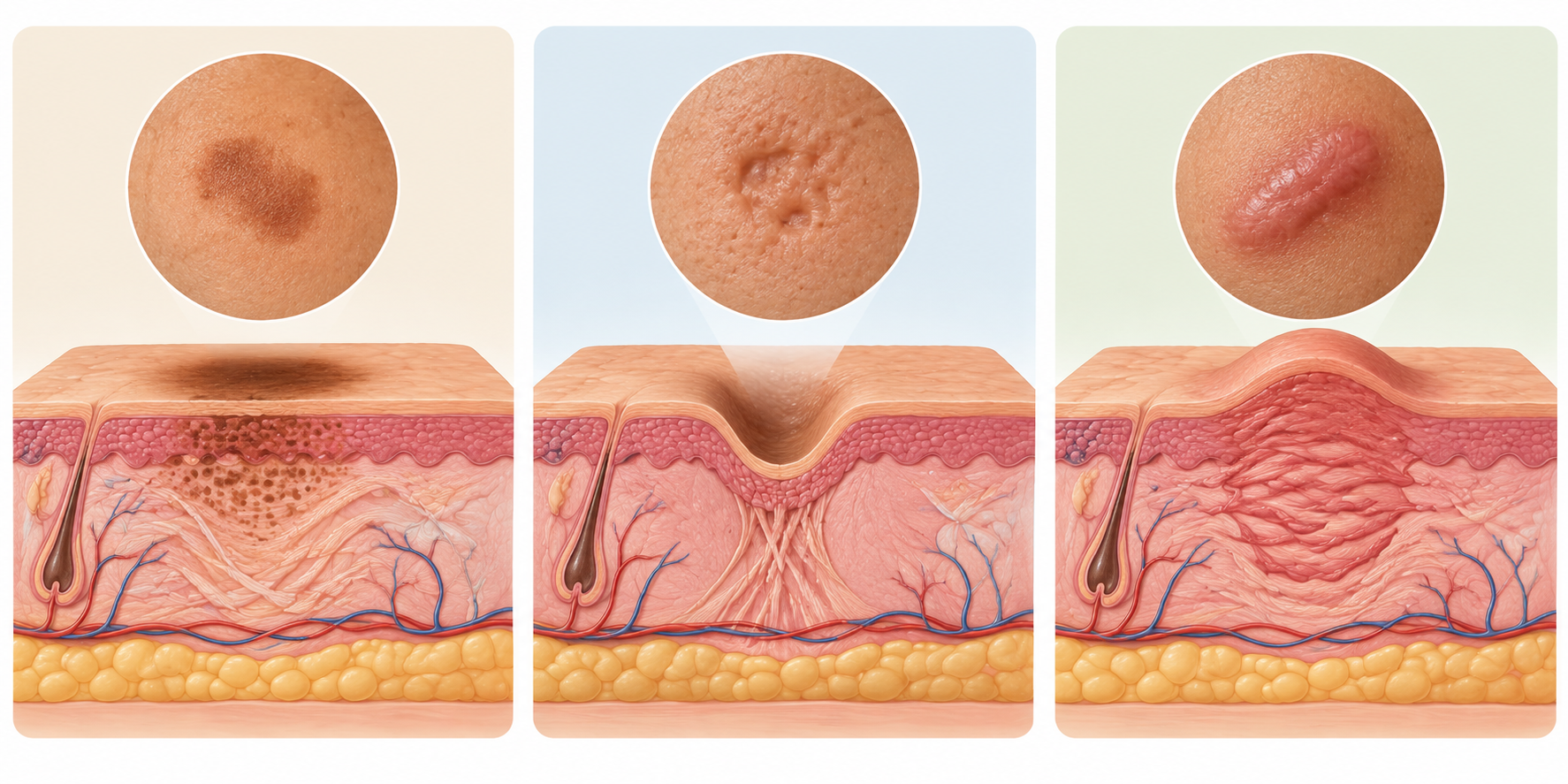
A research published in JAAD International highlights that ongoing skin inflammation is a primary factor in the development of atrophic scarring.2 This is why treating active acne early on is very closely linked to reducing the risk of long-term scarring.
Moreover, post-inflammatory hyperpigmentation is known to affect people with darker skin tones more, as higher melanin activity can increase and prolong the discolouration after inflammation settles.
Natural Remedies That Have Reasonable Evidence
There is very limited clinical support for improving skin texture and pigmentation from natural or naturally extracted ingredients, though the evidence is modest and results may vary between people. None has been shown to remove established scars fully.
Ingredients with Some Clinical or Dermatologist Backing
A systematic review published in The Journal of Clinical and Aesthetic Dermatology found very few clinical trials on natural ingredients for pigmentation, though many showed modest depigmentation effects.3
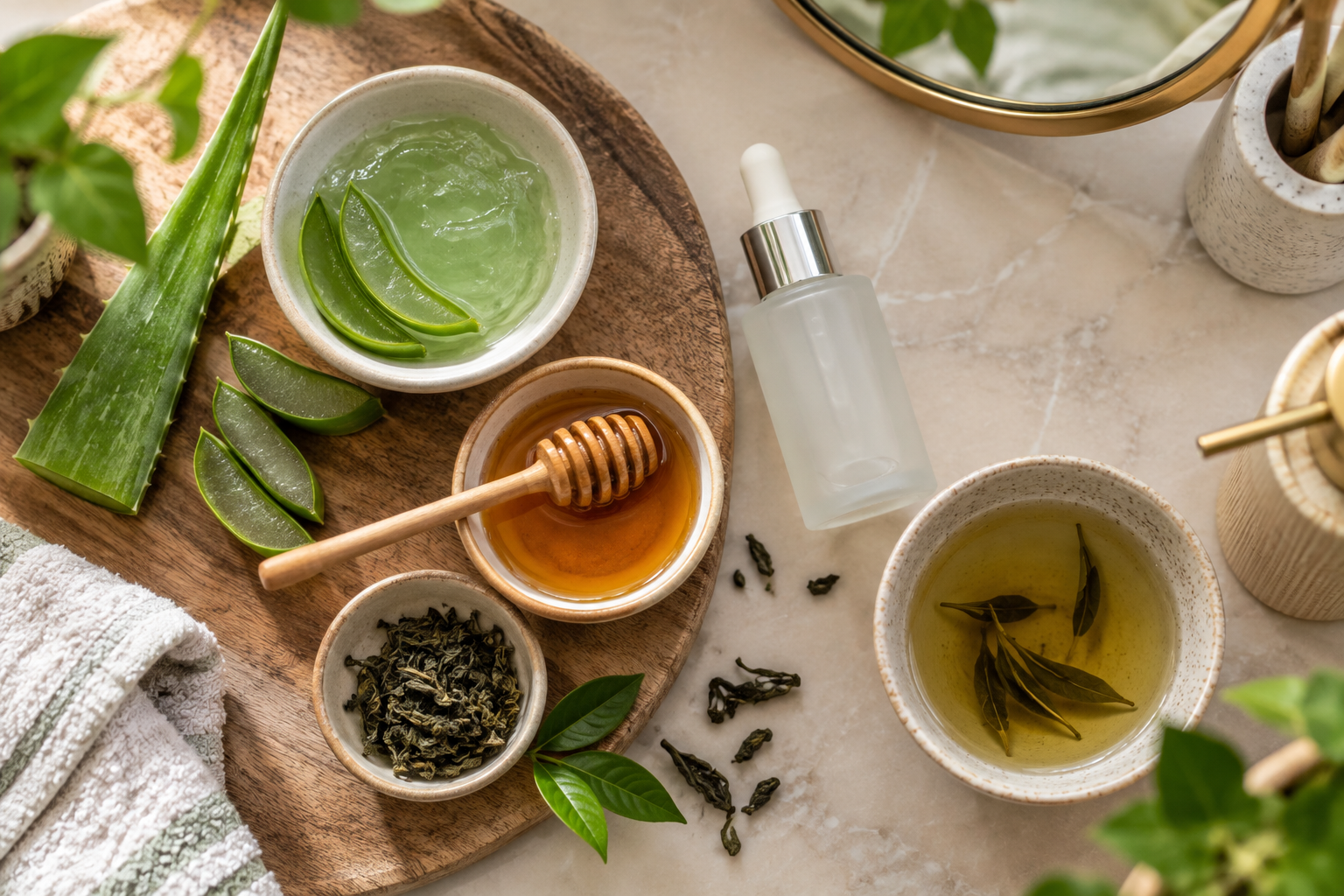
- Aloe Vera Gel: It may have some mild soothing and anti-inflammatory properties, but evidence for scar improvement is very limited.
- Honey: It has some wound healing properties and may also support skin recovery after inflammation.
- Green Tea Extract: It has shown some antioxidant and skin-calming effects in laboratories and small clinical studies.
- Niacinamide: It is a form of vitamin B3 and has shown reasonable evidence for reducing pigment transfer between skin cells and may also help fade marks slowly.
- Certain plant oils may also moisturise the skin, although they should be used carefully as some can irritate acne-prone or sensitive skin.
It is advisable to patch test first, since irritation from any ingredient, natural or otherwise, can worsen pigmentation instead of improving it. Anyone who is researching how to remove acne scars naturally at home should treat these ingredients as supportive measures and not guaranteed fixes, as responses may vary based on skin types and tone.
It is also worth remembering that most of these studies examine general skin pigmentation rather than acne scarring specifically. Reviewers of available trials have found that sample sizes are usually small and study quality also varies, so these results should be treated as encouraging rather than conclusive.
Sun Protection: The Most Underrated Step
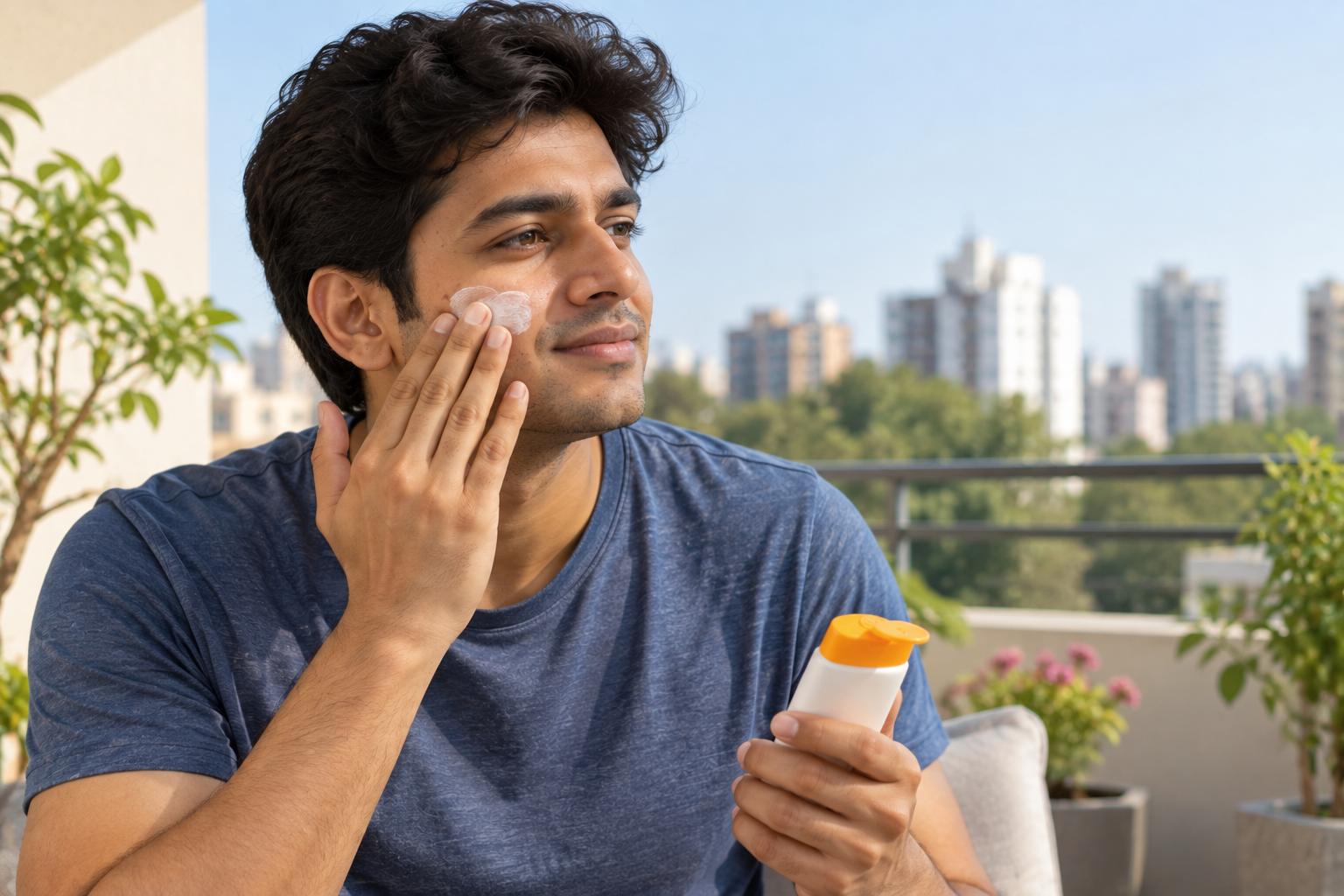
Using sunscreen every day is one of the best habits to build if you are thinking about how to remove acne scars naturally, although it will not erase marks that are already there. “Reporting in Dermatology Times highlights that regular use of sunscreen, especially that contains anti-inflammatory ingredients, was more effective in comparison to other methods at preventing post-inflammatory hyperpigmentation from getting worse.”4
So, applying a broad-spectrum sunscreen every morning, wearing protective clothing, and seeking shade during peak sun hours can help prevent marks from getting any darker. Over time, this may also help the existing marks fade more evenly, especially when combined with gentle, non-irritating skincare.
What About Overnight and One-Week Fixes?
There is a surge in people searching for how to remove acne scars naturally overnight or in a week. It reflects how quickly people want results. However, no natural remedy can remove a true scar in the above-mentioned timeframe.
Some superficial marks may look better within a few days once the swelling or redness settles, but this is not the same as removing an established scar. True pitted or raised scars sit deeper within the skin's layers, making them much harder to fix. In fact, home remedies may not be able to improve them at all. Only consistent, patient care over weeks and months is a more realistic approach than searching for how to remove acne scars naturally in a week or overnight.
Remedies That Are Overhyped or Potentially Harmful
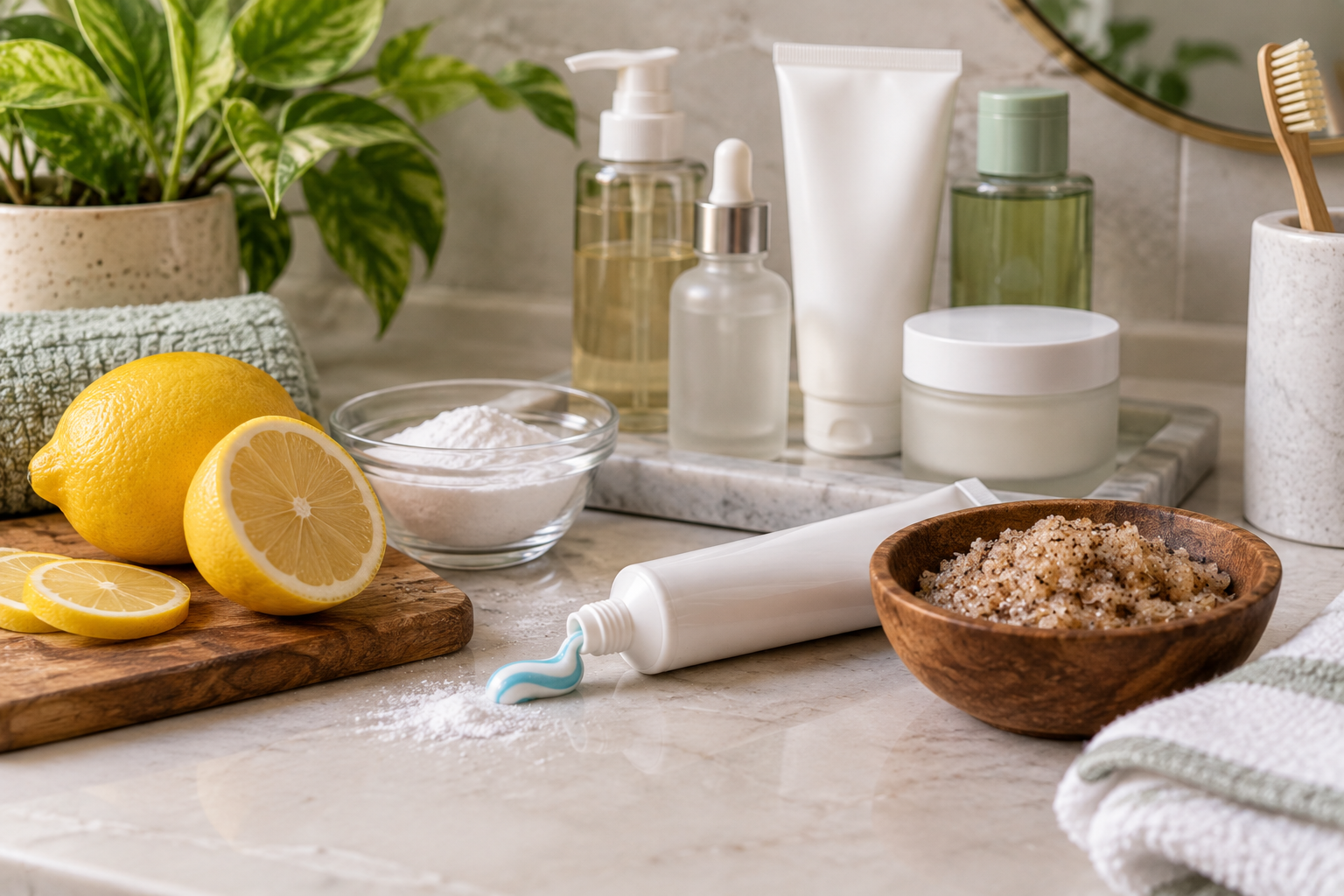
There are many remedies that people share online despite weak proof or any real safety concerns. However, Dermatology-reviewed sources continuously caution you against the following:
- Lemon Juice or Other Citrus Juices: They are very acidic and can increase sun sensitivity, and they can also sometimes worsen pigmentation.
- Undiluted Essential Oils: They may cause allergic reactions or irritate an already sensitive, acne-prone skin.
- Baking Soda or Toothpaste: They can disrupt your skin’s natural barrier and can cause dryness or chemical burns.
- Harsh Scrubs or Abrasive Home Mixtures: These mixtures may inflame your skin further, which delays healing.
- Unverified “Miracle” Pastes or DIY Chemical Peels: These pastes and peels lack quality-controlled ingredients, and they can cause burns or scarring.
Anyone who is genuinely interested in removing pimple scars naturally should be cautious of remedies that lack supporting research, as it can outweigh any potential benefit and can cause more pigmentation rather than reducing it.
Is It Possible to Remove Acne Scars Naturally? The Honest Answer
Many people ask whether it is possible to remove acne scars naturally, and the honest answer depends on what is really being treated.
- Post-inflammatory marks may fade substantially with time, sun protection, and gentle, regular care.
- True acne scars, especially the atrophic kind, usually need expert procedures for real improvement.
- Natural remedies may support your overall skin health but are unlikely to remove established scars fully.
So, for better outcomes, you should avoid harsh products and protect your skin from further inflammation.
In the Indian Climate, due to prolonged sun exposure and humidity, regular sunscreen and gentle skincare are very important. So, you should apply sunscreen throughout the day, choose lightweight formulations, and avoid picking at active spots.
When to Stop Trying at Home and See a Dermatologist
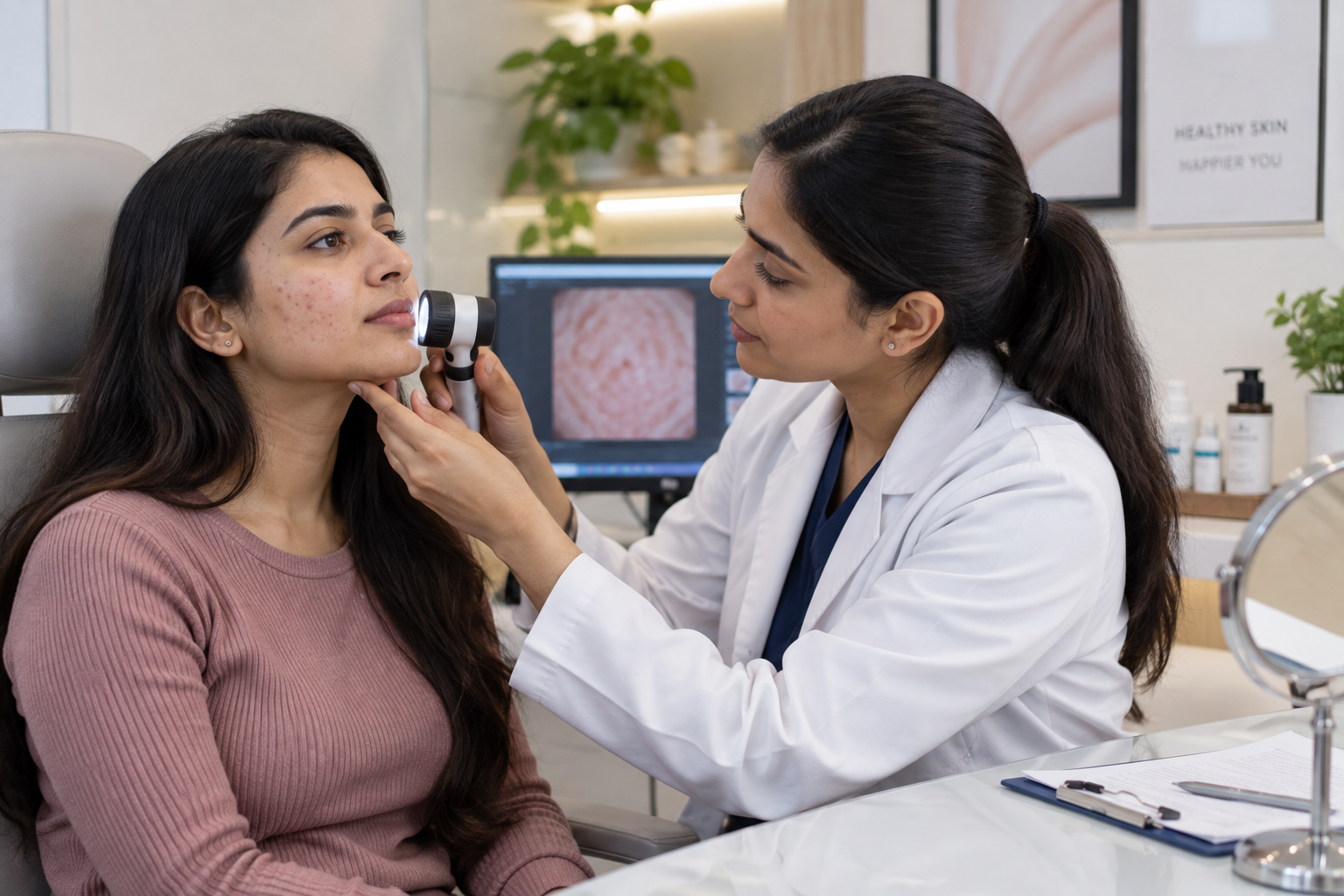
Home care has its limits, and recognising them early on can prevent frustration and more skin damage. It is usually better to consult a dermatologist when:
- Scars are deep or widespread, or are affecting your self confidence.
- Marks show little improvement after several months of consistent care.
- Acne is still severe or active.
- There is a personal or family history of keloid or abnormal scarring.
- Home remedies cause burning, irritation, or worsen pigmentation.
A dermatologist may also provide treatments such as chemical peels, laser therapy, microneedling, subcision or dermal fillers, depending on your scar type and skin tone. However, these procedures are not guaranteed cures; they are still usually better than home remedies for structural scarring.
A dermatologist can also investigate whether pigmentation is genuinely linked to past acne or has another cause altogether, like melasma or a reaction to a skincare product.
Conclusion
In the end, learning how to remove acne scars naturally begins with having realistic expectations. Post-inflammatory marks often soften with sunscreen, gentle skincare, and time, whereas true atrophic or hypertrophic scars involves deeper structural change that home remedies alone cannot reverse.
Additionally, ingredients like honey, aloe vera, and niacinamide may support your skin health, but they are no substitute for proven treatments. If home remedies bring little improvement after several weeks or months, or if these scars affect your confidence, then a dermatologist can assess your skin and recommend suitable treatment.
Frequently Asked Questions
Can Acne Scars Be Removed Permanently at Home?
True acne scars are difficult to remove completely at home and often need professional procedures such as lasers or microneedling for lasting improvement. Marks may fade more readily with care.
How Long Does It Take for Acne Scars to Fade Naturally?
Fading time varies by scar type, skin tone, and the consistency of care used. Post-inflammatory marks may improve over several months, while true structural scars often persist without professional treatment.
Does Lemon Juice Help Remove Acne Scars?
Lemon juice is highly acidic and can irritate skin, increase sun sensitivity, and worsen pigmentation rather than improve it. Dermatologists generally do not recommend it for scar removal.
What Is the Fastest Natural Remedy for Acne Marks?
Daily sun protection, gentle skincare, and patience remain the most realistic approach for fading marks. No natural remedy works instantly, and results depend heavily on individual skin and scar type.
When Should I See a Dermatologist for Acne Scars Instead of Treating at Home?
Persistent, deep, or emotionally bothersome scars, ongoing active acne, or irritation caused by home remedies all warrant a proper professional assessment from a qualified dermatologist promptly.
Sources:
- American Academy of Dermatology Association – Acne Scars: Overview – https://www.aad.org/public/diseases/acne/derm-treat/scars
- JAAD International – Identifying gaps and providing recommendations to address shortcomings in the investigation of acne sequelae (PACE panel) – https://www.jaadinternational.org/article/S2666-3287(21)00051-1/fulltext
- The Journal of Clinical and Aesthetic Dermatology – Are Natural Ingredients Effective in the Management of Hyperpigmentation? A Systematic Review – https://jcadonline.com/natural-ingredients-hyperpigmentation-feb2018/
- Dermatology Times – Sunscreen is the Best Way to Prevent Post-Inflammatory Hyperpigmentation in Skin of Color – https://www.dermatologytimes.com/view/sunscreen-is-the-best-way-to-prevent-post-inflammatory-hyperpigmentation-in-skin-of-color
Reviewed By:
Dermatologist, Aiwo Wellness Centre, Chennai
This article is for general educational purposes and does not replace personalised medical advice. If you think you may have skin problems, consult a qualified healthcare professional on MediBuddy.


