
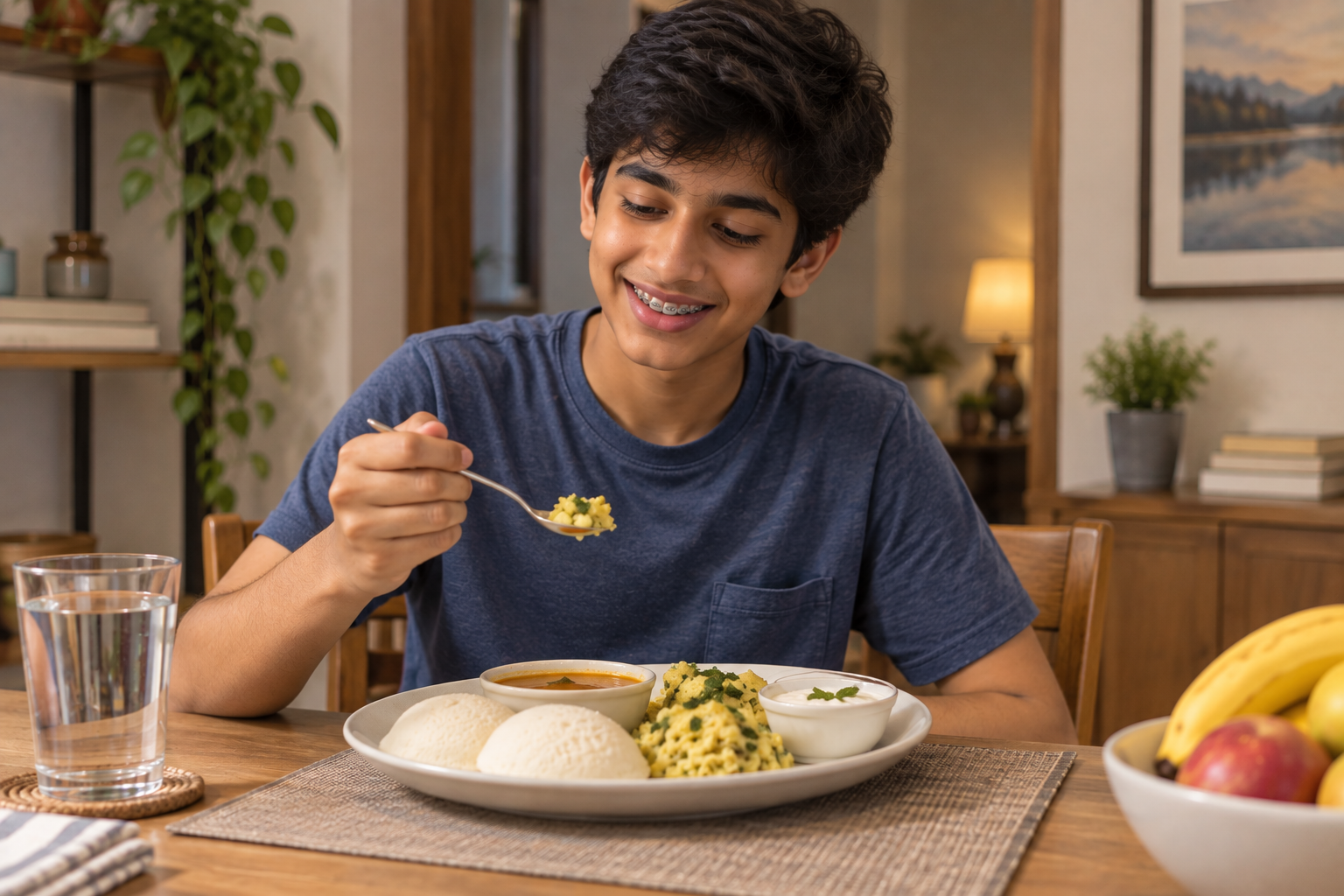
Soft Foods for Braces: What to Eat and What to Avoid

Table of Contents
One of the most meaningful steps towards a straighter smile is getting braces. You may notice some tenderness in your teeth and gums the first few days. This is a normal part of settling in, and it generally eases after a while as your mouth slowly adjusts to the new wires and brackets.
During this starting stage, choosing soft foods for braces can make your meals more comfortable and help reduce unnecessary pressure on the appliance. So, if you are wondering what to eat first, it is essential to know about suitable textures, as it will help you eat without added strain.
Why Food Choices Matter with Braces
Once your braces are fitted, it's worth planning your daily meals around foods that are gentle on your teeth and wires. Sticky, hard, crunchy, and chewy foods can place pressure on brackets, wires, or bands, which sometimes loosen them. So, choosing gentler textures, especially in the beginning, can significantly reduce this risk. Understanding do braces hurt in general can help set realistic expectations around this kind of discomfort.
Sugary foods and drinks can also increase the risk of tooth decay, as cleaning around the braces is a little harder. However, putting a limit on how much sugar you consume, rather than removing it completely, is a more realistic approach.
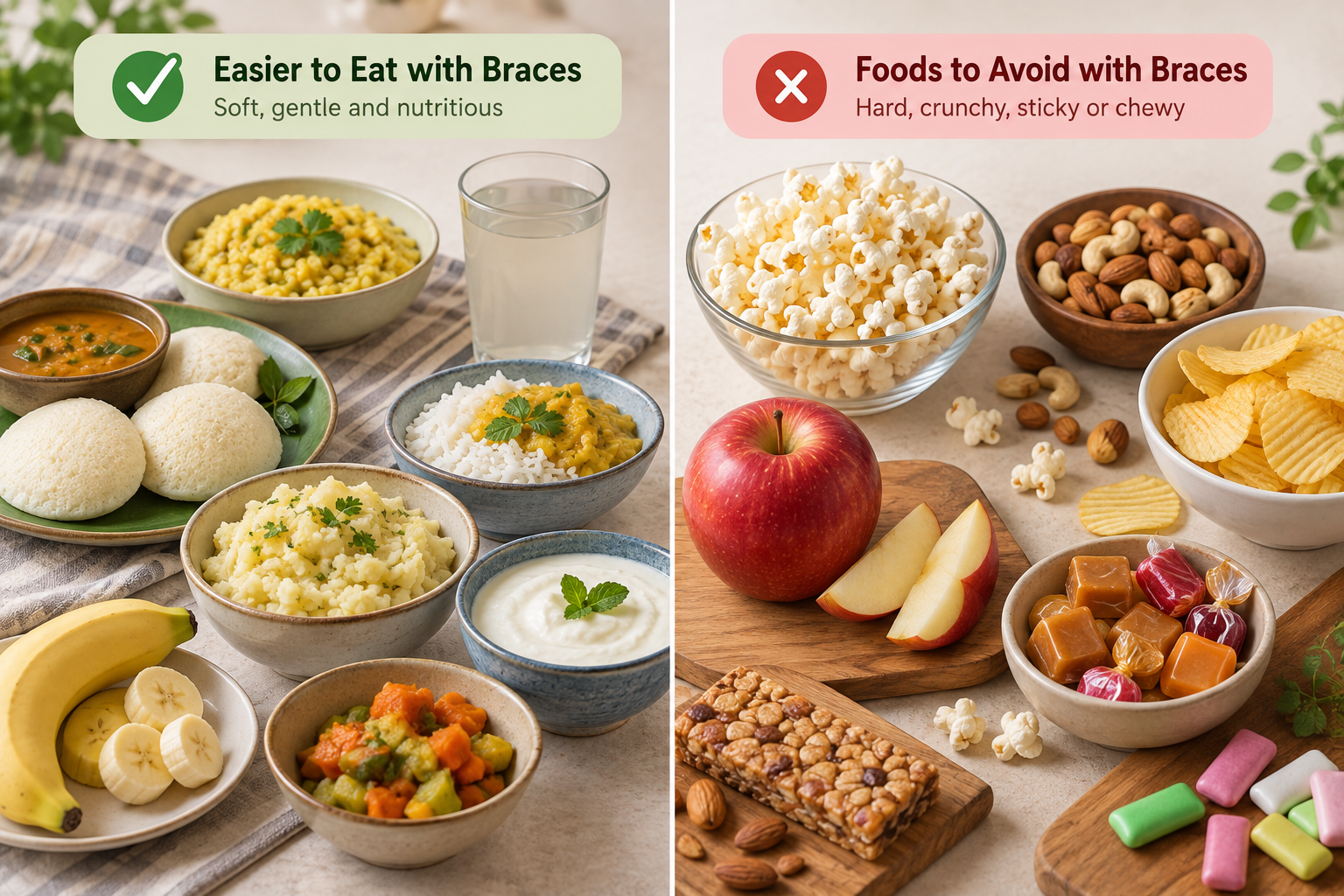
What to Eat the First Week with Braces
One of the most searched queries is what to eat with braces the first week, as tenderness after fitting or an adjustment is common. During this time, nutrient-rich foods that require little chewing are generally advisable. The list below provides practical, Indian-friendly ideas.
Breakfast:
Idli with Sambar: Soft idli along with smooth sambar is generally gentle and tender on your teeth. Avoid crispy or heavily fried add-ons like fried chillies or papad.
Upma: Upma along with well-cooked vegetables is easy to manage, but hard-roasted ingredients such as peanuts are best left out.
Porridge or Oats Cooked Soft: A smooth, well-done porridge is gentle on your mouth. You must avoid hard toppings like whole nuts or granola clusters.
Banana: A ripe, mashed banana is very soft and soothing for your sensitive teeth and requires minimal chewing. Just ensure that it is fully ripe to maintain a smooth, easy-to-swallow texture for your comfort.
Curd or Yoghurt: Plain, smooth curd or yoghurt is very cooling and requires no chewing at all. You should avoid adding any crunchy toppings such as nuts or granola.
Smoothie: A smoothie is great, but it should not be overly sugary. Avoid adding hard seeds, unblended pieces, or nuts.
Lunch and Dinner
Khichdi: A soft, well-cooked khichdi is easily manageable and gentle for your teeth. You should ensure all the lentils and vegetables are mashed properly, and avoid any crunchy grains or large, firm vegetable chunks.
Dal with Soft Rice: Another suitable option is well-cooked rice along with dal; just avoid hard or undercooked grains.
Mashed Potato: Aloo mash, sometimes finished with a little ghee, is another practical example, though ghee is not necessary.
Soft-Cooked Sabzi: Well-steamed, tender vegetables with a soft consistency are easy to eat. You should avoid raw, firm, or uncooked pieces that take effort to chew or swallow.
Moong Dal Soup: A smooth moong dal soup is another nutrient-filled meal. You should keep the texture soft and comforting and avoid crunchy, hard toppings or unblended lentils.
Curd Rice: It is a familiar, cooling option in many Indian households, which requires very little chewing.
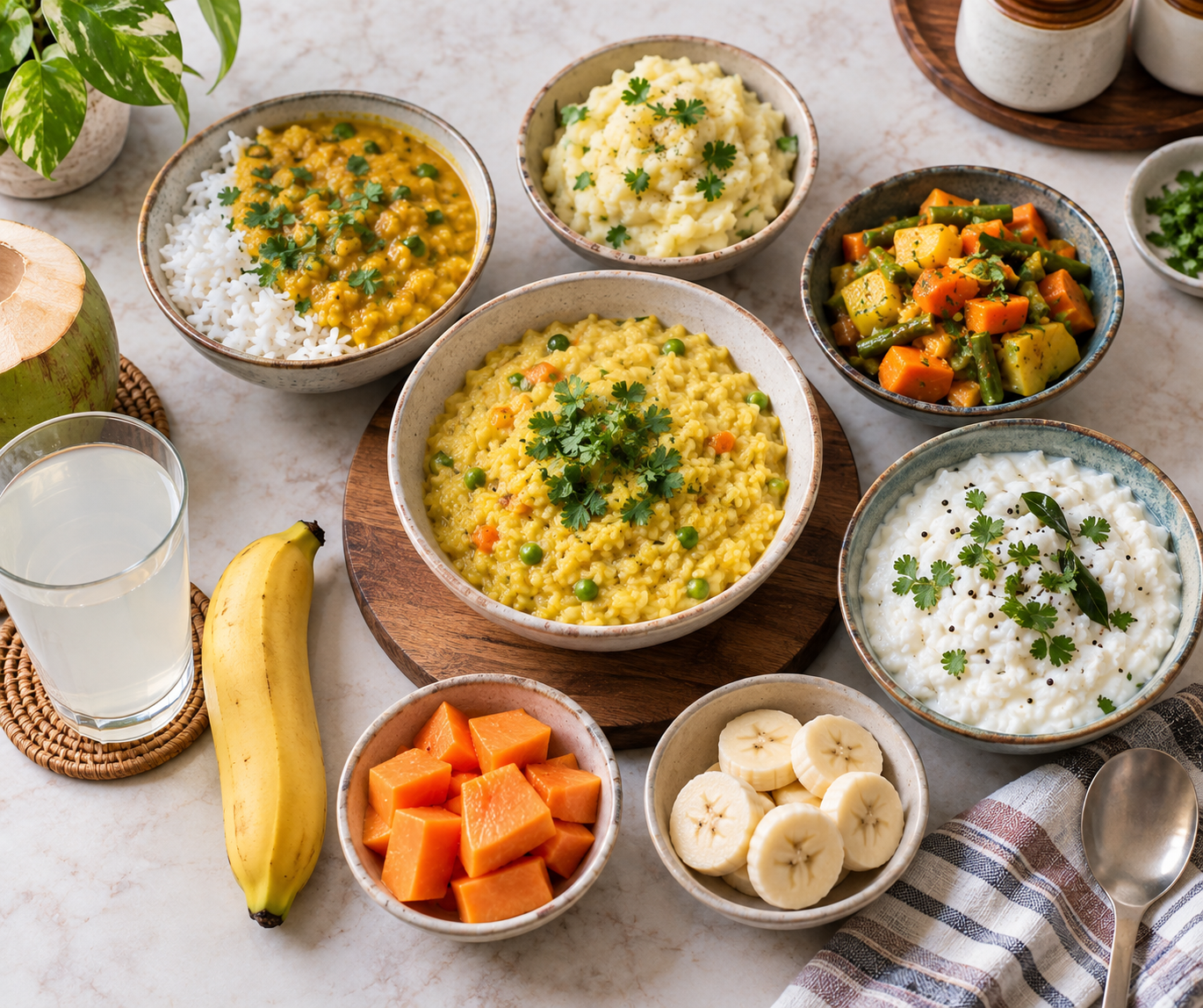
Snacks
Banana: A fully ripe, mashed banana is an excellent gentle choice for your tender teeth, and it ensures a smooth and effortless eating experience for you every time.
Soft Ripe Papaya or Mango: A naturally soft, ripe piece of either mango or papaya easily melts in your mouth. You should avoid any firm sections that require more chewing.
Curd: Plain, smooth curd is very refreshing and requires no chewing. It is also a cooling option; avoid adding any crunchy toppings or added textures.
Coconut Water: Coconut water can be a refreshing drink between meals, and not a substitute for balanced meals.
Certain Medications
There can be some medications prescribed during orthodontic treatment that may carry some dietary or oral-health considerations, like taking them with food. So, you should always follow the instructions given by your doctor or pharmacist.
Bite and Jaw Alignment
Braces work by applying controlled, gradual forces to move your teeth and support improved alignment over time. Your food choices do not change the bite on their own. Readers who are weighing their options, including aligners vs braces, may also find it useful to talk about timelines and daily adjustments with their orthodontist.
Soft Foods That Are Safe Throughout Braces Treatment
When you eat with braces on, texture, portion size, and preparation method matter a lot. A food may suit you well when soft and cut small, yet can be unsuitable when eaten as a whole.
This is why many people choose soft food for braces throughout their treatment and not just the first week, because brackets and wires remain sensitive to pressure at every stage, as comfort still varies from person to person, and you can also consult a dentist for better advice..
Grains and Staples
Rice: A batch of well-cooked, soft rice is gentle on the mouth; avoid undercooked, firm grains.
Roti or Chapati: You should soak pieces of roti properly in dal or gravy until soft, so they are easy to swallow.
Idli or Dosa: Go for steamed, fluffy idlis or soft, non-crispy dosa and avoid hard edges and crispy textures.
Upma or Poha: You should cook both dishes with extra liquid or steam until they become tender and avoid adding peanuts.
Pasta and Noodles: Boil pasta and noodles until they become soft and tender and need no chewing.
Bread: You should use soft bread, remove any crusts, and cut it into small pieces for easier consumption.
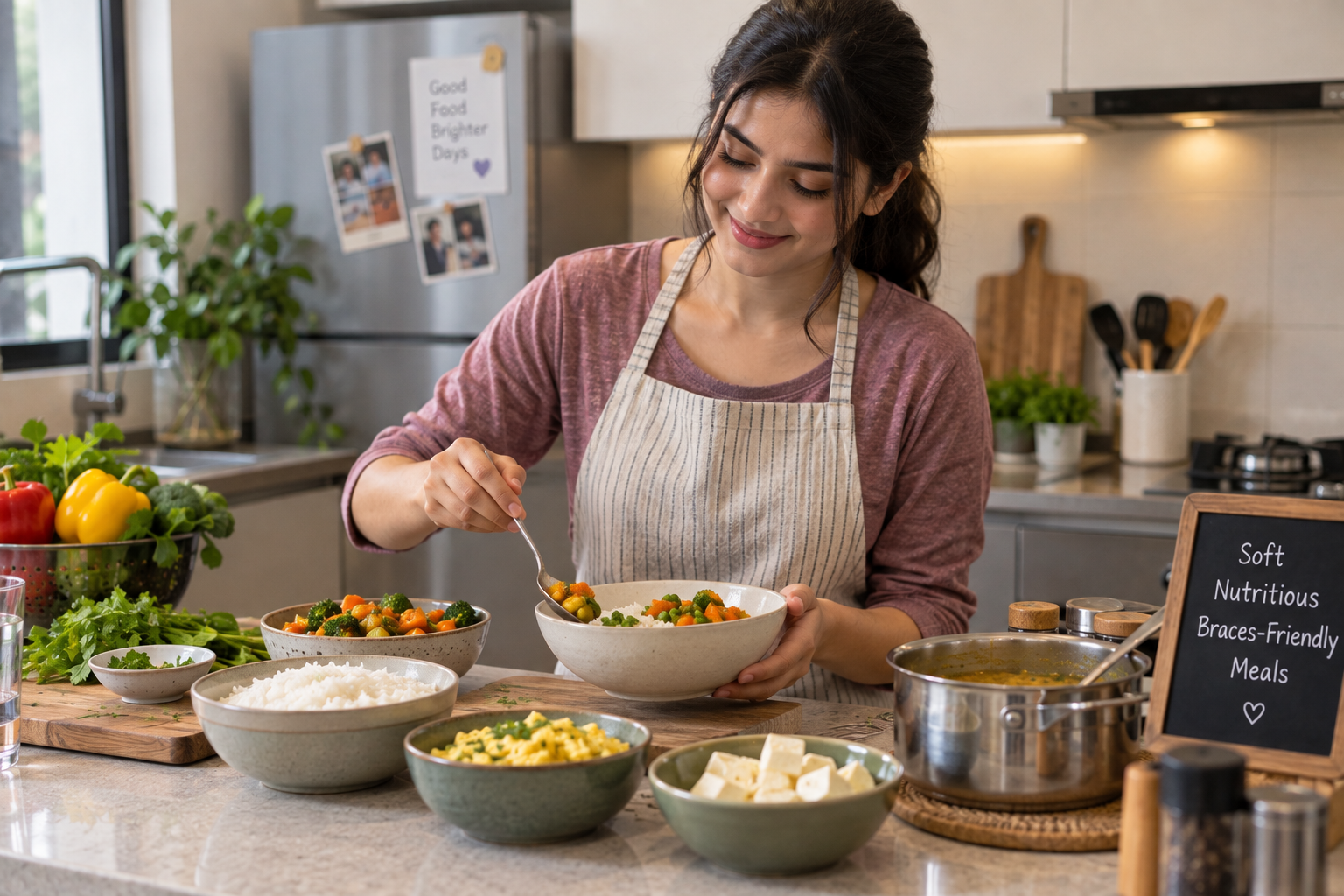
Proteins
Eggs: Eat eggs scrambled or boiled for easy chewing, and avoid hard-fried or rubbery textures.
Dal: A well-cooked dal is gentle and nutritious. You should avoid hard, unblended lentils.
Soft Paneer: Opt for fresh, soft paneer cubes cooked in gravy, and avoid fried or hard-variety paneer that feels rubbery.
Fish: Pick flaky, poached or steamed fish; ensure it is completely deboned and tender.
Tender Chicken: Eat slow-cooked or minced chicken soaked in moist sauce, and avoid tough pieces.
Vegetables
Soft-Cooked Sabzis: Eat completely steamed or stewed vegetables such as spinach, carrots, beans, and cauliflower. You should ensure they are mashed and easy to swallow.
However, cutting or lightly cooking them makes it easier, and this type of preparation is really what matters in daily practice.
Fruits
Banana: A perfectly ripe, mashed banana requires no effort and can be chewed easily.
Ripe Mango: You can enjoy the naturally smooth, melting texture of a ripe mango, as it is easy to swallow.
Chikoo or Papaya: Both these fruits are soft, easy to mash, and a nutritious choice that requires minimal chewing.
Watermelon and Melon: The high-water content along with their soft flesh makes them refreshing and easy to consume.
Table 1: Food Texture and Preparation Guide
Foods to Avoid with Braces
Knowing which foods to be cautious about helps you avoid discomfort and reduces the chance of damaging the appliance, though reactions vary from person to person.
Hard and Crunchy Foods
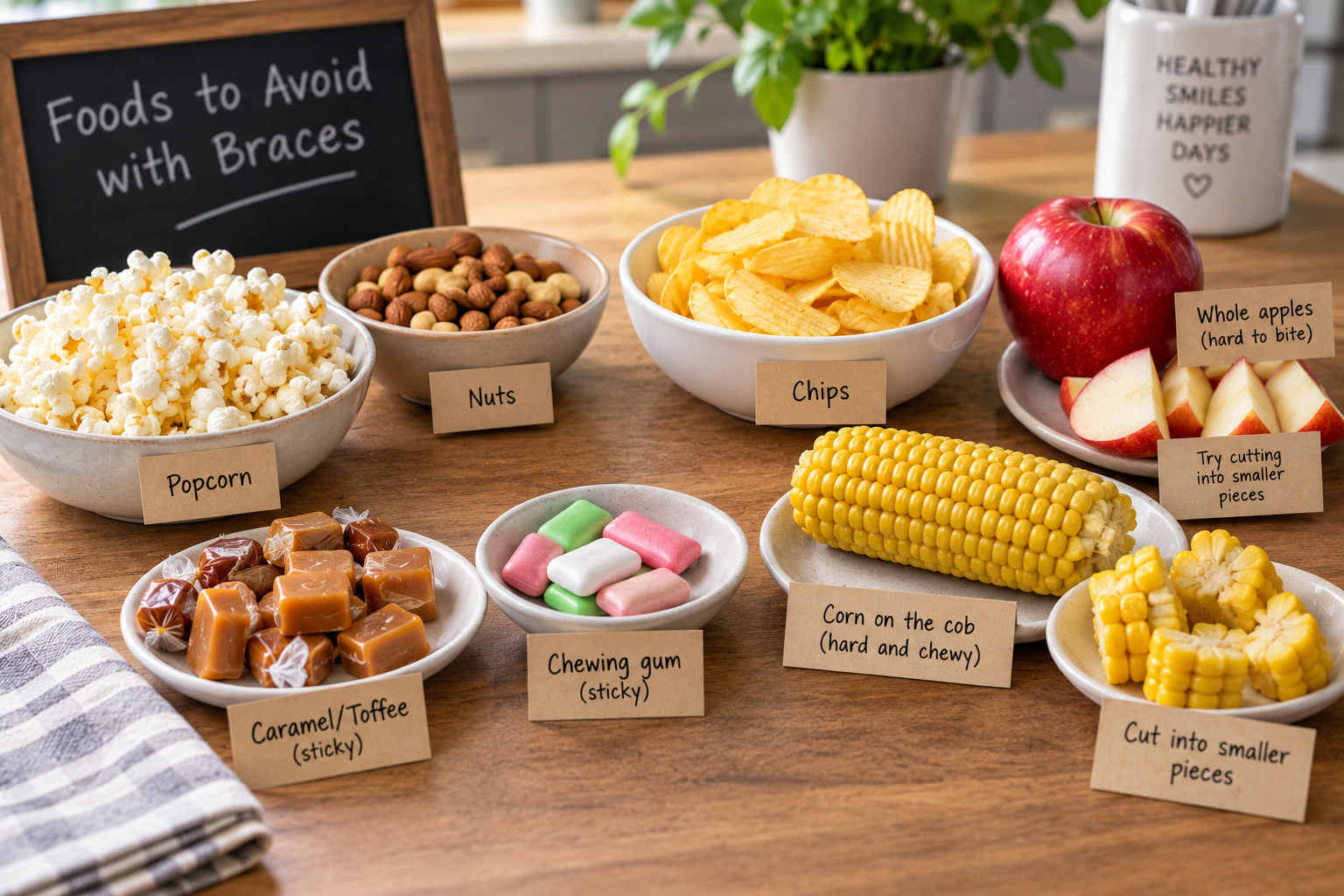
Ice, roasted chana, popcorn kernels, hard sweets, biscuits, hard toast, and brittle snacks may place pressure on brackets or wires, especially when bitten with the front teeth.
Sticky Foods
Chikki, caramel, toffee, chewing gum, and sticky sweets may cling around your brackets, which makes it harder to clean and increases the effort while brushing.
Chewy Foods
Chewy sweets, tough meat, and other dense foods need repeated, forceful chewing. It places strain on your brackets, so it is advisable to eat soft foods.
Sugary Foods and Drinks
Consuming sugary drinks, sweets, or desserts frequently may cause tooth decay over time. Although removing sugar completely is not possible, limiting how often you eat them matters more.
Corn on the Cob
Biting into a whole cob concentrates pressure on the front brackets. Cut the kernels off first.
Whole Hard Fruits
Biting into a whole guava, apple, or similar firm fruit can place a lot of pressure on the front brackets. You should break them into smaller pieces to reduce the risk.
Nuts and Seeds
Hard nuts and seeds are difficult to chew and may get lodged around brackets. However, you can consume softer or finely ground nuts, as they are easier to manage.
Chips and Crisps
The most common question people ask is: can I eat chips with braces, and the honest answer depends on their type. Sharp-edged, hard, or crunchy chips can be problematic when bitten with force with your front teeth.
A practical approach is that you should be cautious with fried snacks, namkeen, crunchy mixtures, and hard papad. Softer, home-made options are a better choice than packaged crunchy snacks.
Table 2: Orthodontic Meal-Planning Guide
Keeping Teeth Clean While Eating with Braces
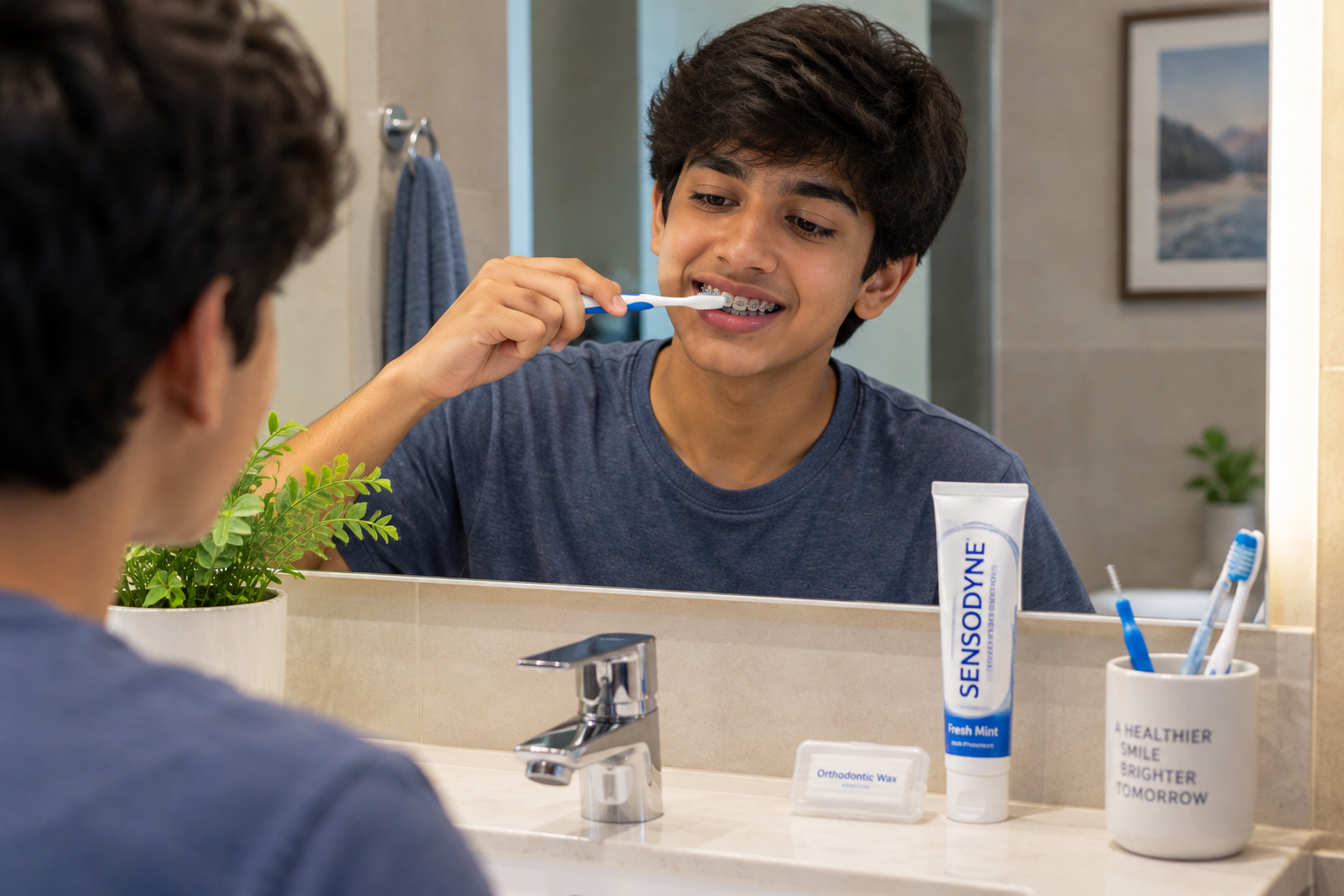
- You should brush your teeth carefully with a fluoride toothpaste, as told by your dentist.
- Clean around your brackets and along the gumline with patience and attention.
- Use interdental brushes or other cleaning tools on your doctor’s recommendation.
- Limit the intake of sugary snacks and drinks between your meals.
- Follow your orthodontist’s particular cleaning instructions for your appliance.
Following these habits will make daily care more manageable. Additionally, good hygiene habits will also help you to enjoy a wide range of foods, as well-cleaned brackets are less prone to irritation.
If you notice any difficulty, such as a loose bracket or broken wire, it is best to consult a dentist and make your overall journey feel more comfortable.
Conclusion
It takes a little patience to adjust to braces, but small changes in what and how you eat can make your daily meals more manageable. So, you should pick well-cooked grains, tender proteins, and cut fruits and stay away from hard, sticky, or chewy foods.
Prioritising soft foods for braces in your early days makes this transition smoother for most people. Additionally, balanced nutrition matters the most, so you should avoid relying on any single food group. It is also advisable to make a budget and understand the cost of braces in India, so that you can plan for treatment, food adjustments, and any dietary changes without added stress. Above all, you should follow your orthodontist's specific instructions, since comfort and suitable foods can vary from person to person.
Frequently Asked Questions
What Should I Eat In the First Week After Getting Braces?
In the first week, lean on soft, nutrient-dense choices such as khichdi, mashed potato, curd, and well-cooked dal, while following your orthodontist's specific dietary advice closely throughout.
Can I Eat Chips with Braces?
Hard, sharp-edged crisps can place pressure on brackets and are best limited. Softer, thinner options may be more manageable, though caution and moderation remain sensible throughout treatment.
How Do I Stop Food Getting Stuck In My Braces?
Brush carefully around each bracket and along the gumline, use interdental brushes if recommended, and rinse with water after meals whenever brushing is not immediately possible.
When Can I Eat Normally Again After Getting Braces?
Comfort often improves within days, though some dietary care may continue throughout treatment. Always check with your orthodontist about which foods are currently suitable for your stage.
Reviewed By:
Dentist, IRIS Healthcare Clinic, Pune
This article is for general educational purposes and does not replace personalised medical advice. If you think you may have dental problems, consult a qualified healthcare professional on MediBuddy.


