
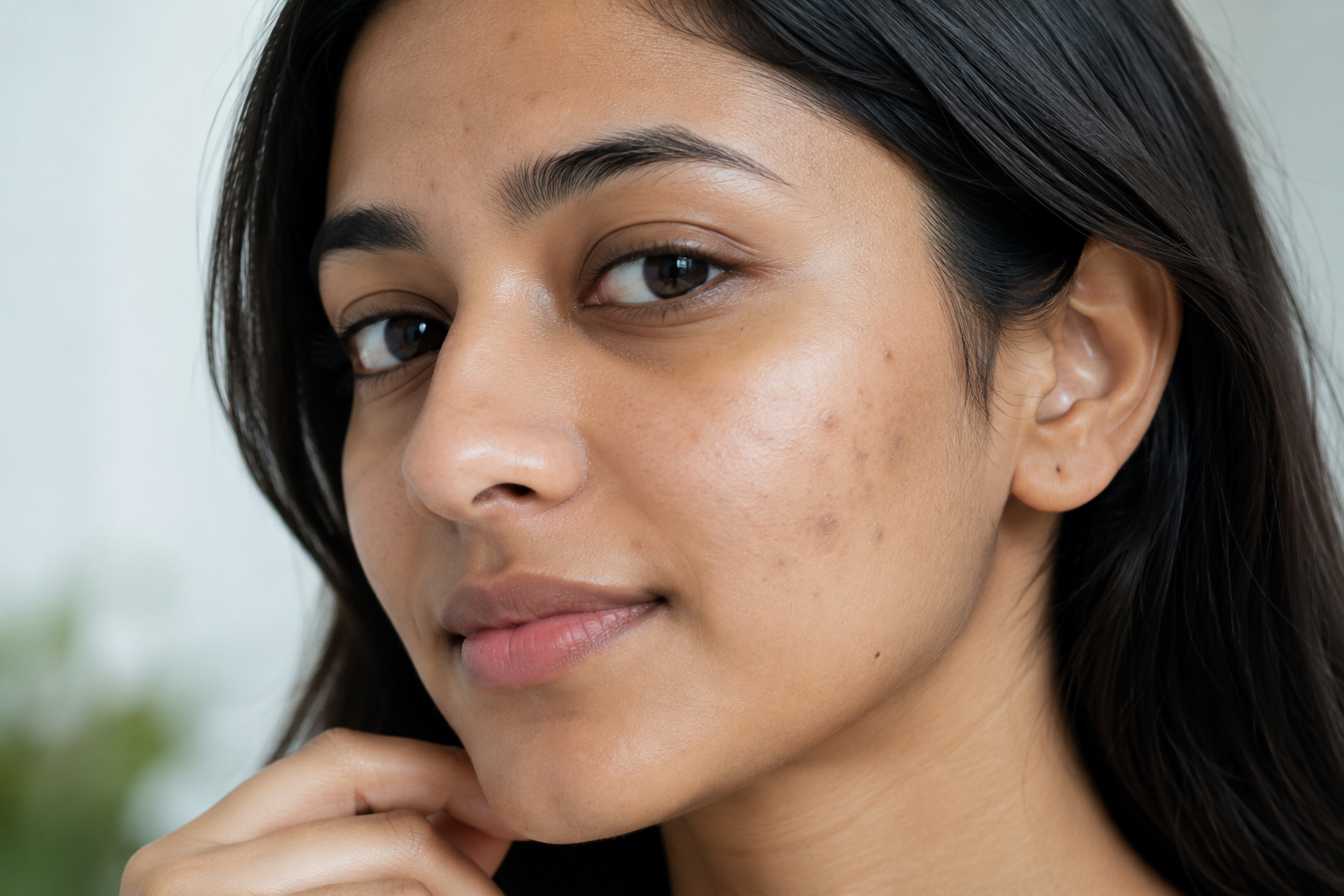
Black Pimple on Face: Causes, Types, and How to Remove It

Table of Contents
Most people deal with breakouts at some point, but not all of them behave or look the same way. Some are flat and small, caused by clogged pores that trap oil and dirt. Others sit deeper under your skin, feel a little firm, and can be quite painful to deal with, no matter how carefully you follow your routine.
So, if you have been noticing a black pimple on your face that refuses to go away or keeps leaving stubborn marks behind, this guide will break down the actual causes, the different types you may be dealing with, and simple, effective ways to treat and prevent them from returning.
Not All Black Pimples Are the Same Type
Not every black pimple is the same. Some are just clogged pores, while others are deeper and more painful. So, knowing the distinction between them will help you to pick the correct treatment.
Blackheads (Open Comedones)— The Most Common Type
A black pimple that looks flat and small is usually a blackhead. These form when a pore gets clogged with oil and dead skin cells; because these pores stay open, air reaches the trapped oil and turns it black. This is known as oxidation.
Blackheads are common on the chin, nose, and forehead. They are not usually painful, but they can still be a cosmetic concern for many people.
Hard Black Pimple— Deeper, More Painful, Different Cause
A hard black pimple feels different. It sits deeper under the skin, feels firm to the touch, and can be tender or sore. This type of pimple forms when a pore gets clogged deep under the skin, which leads to inflammation.
In contrast to blackheads, a hard black pimple is not just about oxidised oil. Hormones, bacteria, and inflammation are main drivers here. Moreover, squeezing them can worsen inflammation and increase the risk of scarring.
Why Is Your Pimple Turning Black?
If you are thinking Why is my pimple turning black, the answer to this question usually boils down to oxidation or dried blood inside a healing pimple. When a pimple pops, or you pick at it, the blood and debris inside dry up and turns black.
Additionally, extra melanin production around the irritated skin can also make a pimple look darker than usual.
Black Spots on Face from Pimples- What Gets Left Behind
Once a pimple heals, it usually leaves something behind. The black spots left behind by pimples are different from the pimples themselves.
The Dark Mark After a Pimple Heals
A black spot after pimple healing is medically known as post-inflammatory hyperpigmentation. It happens when your skin produces extra melanin in response to inflammation or injury. The spot itself is not a pimple anymore; it’s just discolouration. These marks can range from light brown to dark brown or almost black, depending on your skin tone.
Why Some Pimples Leave Darker Marks Than Others
Not every pimple leaves a mark behind, and not every mark is equally dark. There are several factors affecting this:
- How deep or inflamed the pimple was
- Whether you picked or squeezed it
- Your skin tone (darker skin tones tend to mark more easily)
- Sun exposure after the pimple heals
As a result of these factors, two people with the same pimples can end up with very different marks.
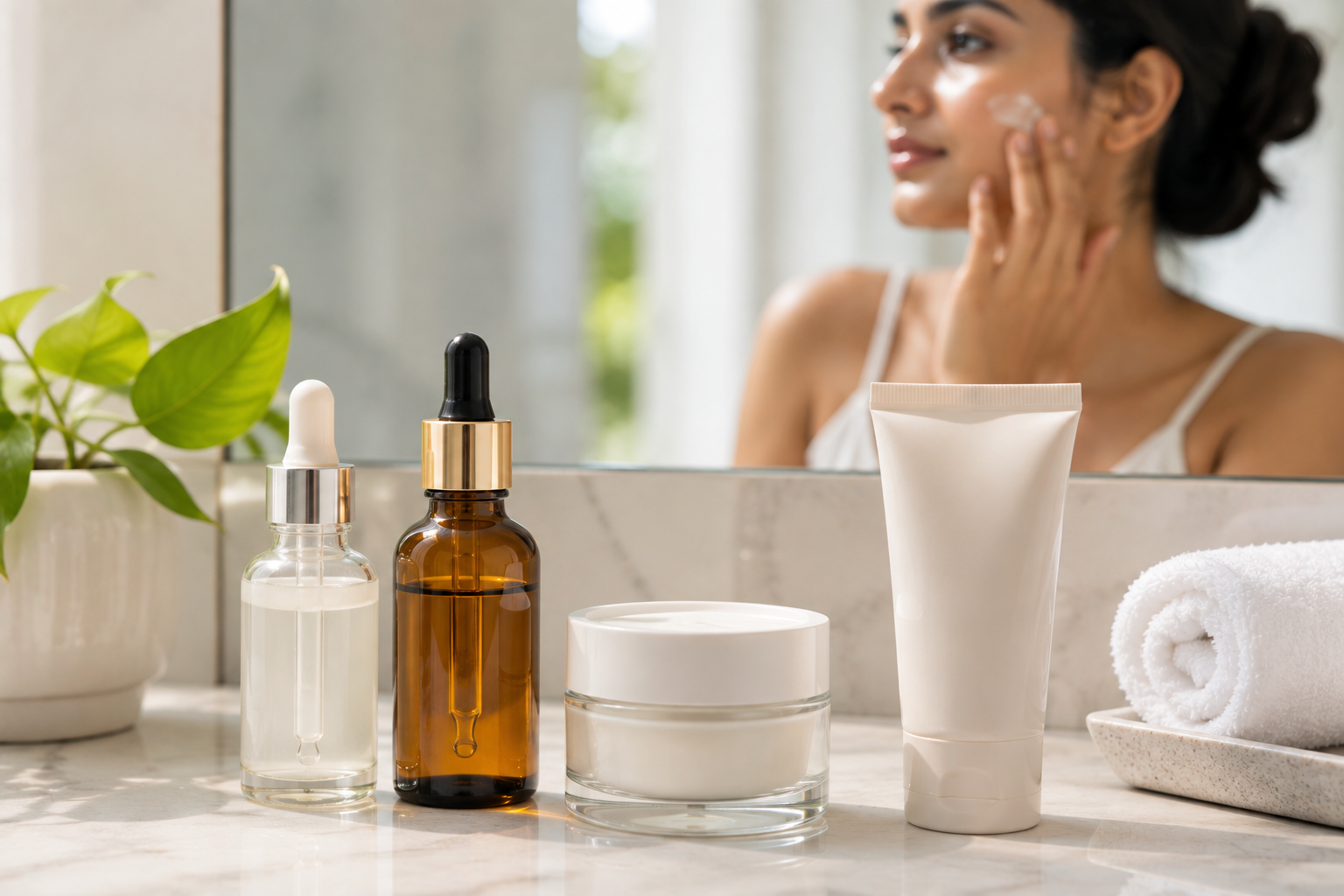
How to Clear Pimples and Black Spots on Your Face
Knowing how to clear pimples and black spots begins with selecting the correct ingredients. Here’s a quick look at what works and how to use them.
Niacinamide (Vitamin B3)
Niacinamide is gentle and works well for most skin types. It helps control oil production, which means fewer clogged pores. Moreover, it also helps to fade dark marks over time.
Vitamin C (ascorbic acid)
Vitamin C is one of the best studied brightening ingredients. It helps to even out your skin tone and also protects you against damage from pollution and the sun. However, it can cause mild irritation if you have sensitive skin, so start slowly.
Alpha-arbutin
This ingredient specifically targets your pigmentation. It works by slowing excess production of melanin and is useful for fading stubborn dark spots.
AHAs (glycolic or lactic acid)
AHAs gently exfoliate the top layer of your skin. This helps remove dead skin cells and is one of the best ways to learn how to remove black pimple marks on face naturally. Moreover, they can also help stop new blackheads from forming.
Sunscreen (SPF 30 or above)
No treatment works well without sunscreen, as sun exposure makes your dark marks darker and harder to fade. Therefore, daily sunscreen is non-negotiable if you are serious about fading your black pimple marks.
How to Remove Black Spots Caused by Pimples Naturally
If you are among those who prefer natural options, then there are gentle ways to support your skin along with your routine.
Consistent Sun Protection
No natural remedy will work if you skip sunscreen. So, protecting your skin daily is the single most essential step in how to remove black spots caused by pimples naturally.
Green Tea Extract
Green tea has antioxidants that calm inflammation and also help to reduce redness and pigmentation over time. So, you can use it as a toner or also look for it in a serum.
Aloe Vera
Aloe vera soothes your irritated skin and also supports healing. So, applying fresh aloe vera gel can help calm active pimples and reduce redness around your marks.
Turmeric
Turmeric has natural anti-inflammatory properties. So, a light turmeric mask, if used occasionally, may help brighten your skin over time. However, you should avoid leaving it on for too long, as it can stain your skin.
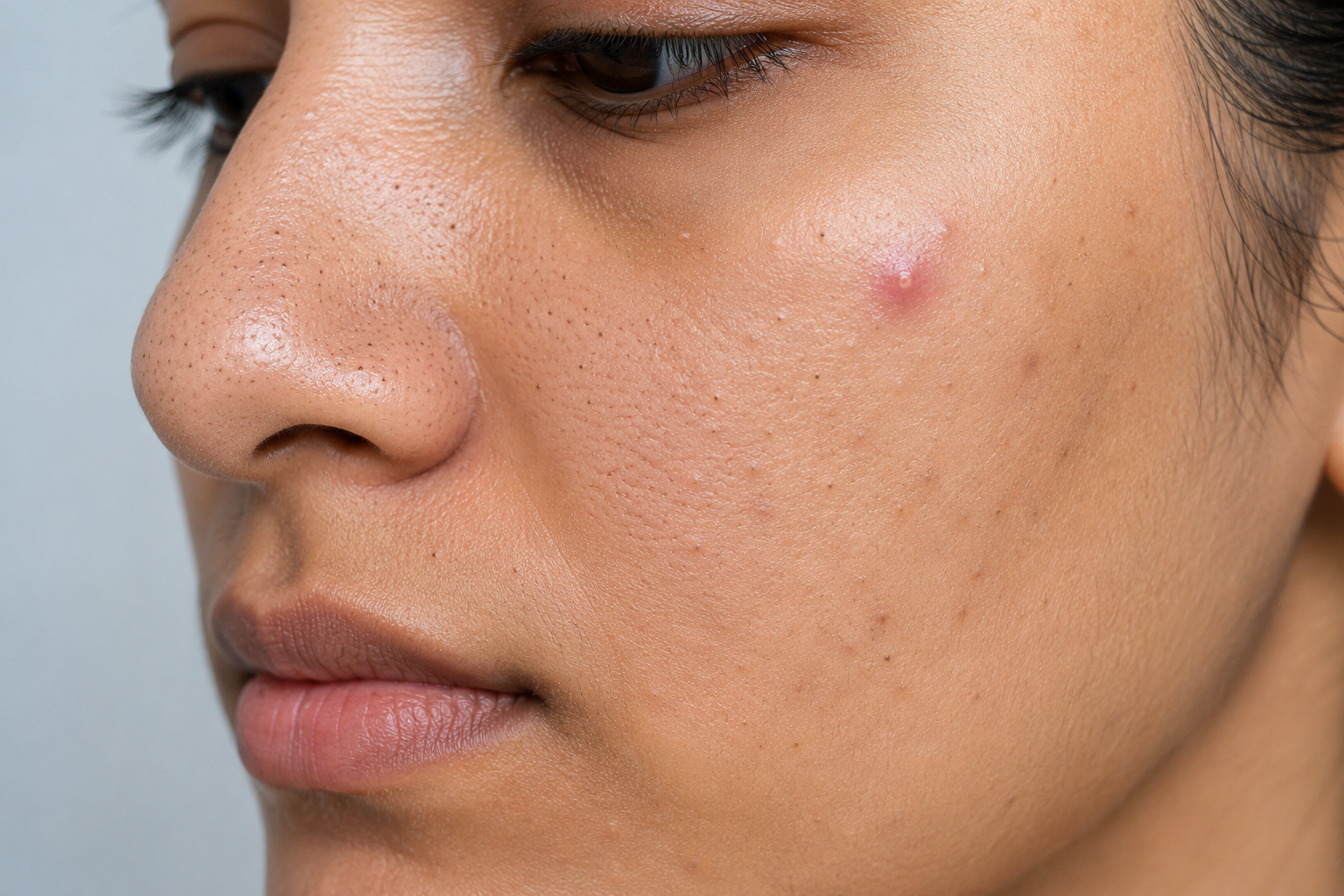
What Makes Black Pimples and Dark Marks Worse
There are certain habits that can make black pimples and their marks stick around longer:
- Picking or squeezing pimples
- Skipping sunscreen
- Using harsh scrubs on active pimples
- Touching your face frequently
- Skipping moisturiser, which weakens your skin barrier
On the flip side, a gentle, consistent routine generally gives better results than aggressive treatments. If you leave them untreated for too long, then deep or repeatedly picked pimples can also turn into acne scars, which take much longer to fade in comparison to regular dark marks.
Why Black Pimples Keep Coming Back
If black pimples keep returning, there is usually an underlying reason.
Hormonal Triggers
Hormonal changes, especially around stress, periods, or conditions such as PMOS, can increase oil production. This leads to clogged pores and repeated breakouts.
Contribution of Skincare and Lifestyle Habits
Certain habits also play a vital role:
- Not removing makeup before going to bed
- Using pore-clogging (comedogenic) products
- Not washing your pillowcases regularly
- High sugar or dairy intake, for some people
- Inconsistent skincare routine
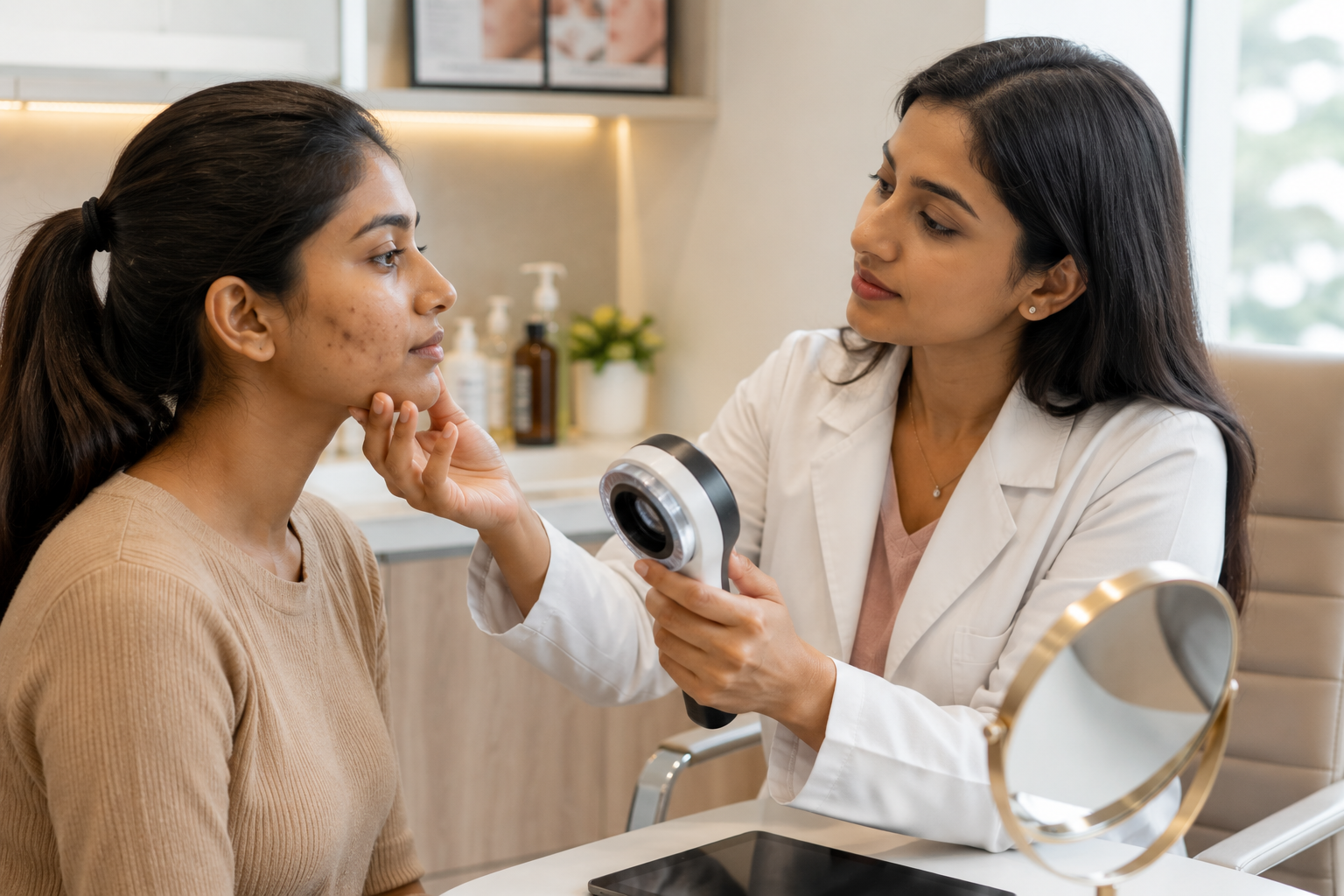
When Recurring Black Pimples Need a Dermatologist
If black pimples keep coming back despite you following a good routine, or if they are painful and leave deep marks, it’s time to consult a dermatologist. Persistent or worsening breakouts can also sometimes point towards hormonal imbalances or conditions that might need proper diagnosis. A dermatologist can also recommend stronger treatments, such as retinoids or chemical peels, that are not available over the counter.
Conclusion
Clearer skin is usually a result of consistency rather than quick fixes or harsh products. Blackheads, firmer bumps under the skin, and the dark marks left behind after healing all require slightly different care, but the basics remain the same.
Niacinamide, vitamin C, gentle exfoliators, and daily sunscreen work together to fade marks and prevent further breakouts. So, if you are struggling with a black pimple on your face for months on end without seeing any real improvement despite your best efforts, you should not hesitate to reach out to a qualified skin expert who can suggest targeted, long-term treatments and help you achieve lasting, visible results.
Frequently Asked Questions
Should I Pop or Squeeze a Black Pimple?
No, squeezing can push bacteria deeper, causing more inflammation and a darker mark. It is better to let it heal naturally or use gentle treatments like niacinamide instead.
Why Is My Pimple Turning Black? Is It Infected?
It's usually oxidation or dried blood inside the pimple, not infection. However, if it's swollen, painful, warm, or oozing, it could be infected and needs proper medical care.
How Long Do Black Spots from Pimples Take to Fade?
Most marks fade within a few weeks to a few months, depending on your skin tone, depth of the pimple, and how consistently you use sunscreen.
Can Black Pimple Marks Become Permanent?
They can become long-lasting or stubborn if left untreated, especially with repeated sun exposure and picking. However, with consistent care and sunscreen, most marks fade significantly over time.
Is a Hard Black Pimple the Same as a Blackhead?
No, a hard black pimple sits deeper under the skin, feels firm, and often involves inflammation. A blackhead, on the other hand, is a surface-level, open pore with oxidised oil.
Does Salicylic Acid Remove Acne Scars?
Salicylic acid mainly unclogs your pores and reduces active acne, but it doesn't directly remove your scars. It can support smoother, clearer skin over time when used consistently.
Reviewed By:
Dermatologist, Aiwo Wellness Centre, Chennai
This article is for general educational purposes and does not replace personalised medical advice. If you think you may have skin problems, consult a qualified healthcare professional on MediBuddy.


