
Teeth Whitening Home Remedies That Work and Ones to Avoid

Table of Contents
If you are looking for some teeth whitening home remedies, it is vital to know which methods actually work and which can harm your enamel. Some remedies genuinely light up your smile, while others do nothing at all. What’s more, a few can also damage your teeth over time quietly. In this blog, we will break down what works, what does not, and what to avoid completely.
Why Teeth Turn Yellow and Why It Matters for Treatment
Not all yellow teeth are the same. Some teeth can stain from the outside (extrinsic) or even discolor from the inside (intrinsic), and the reason matters a lot.
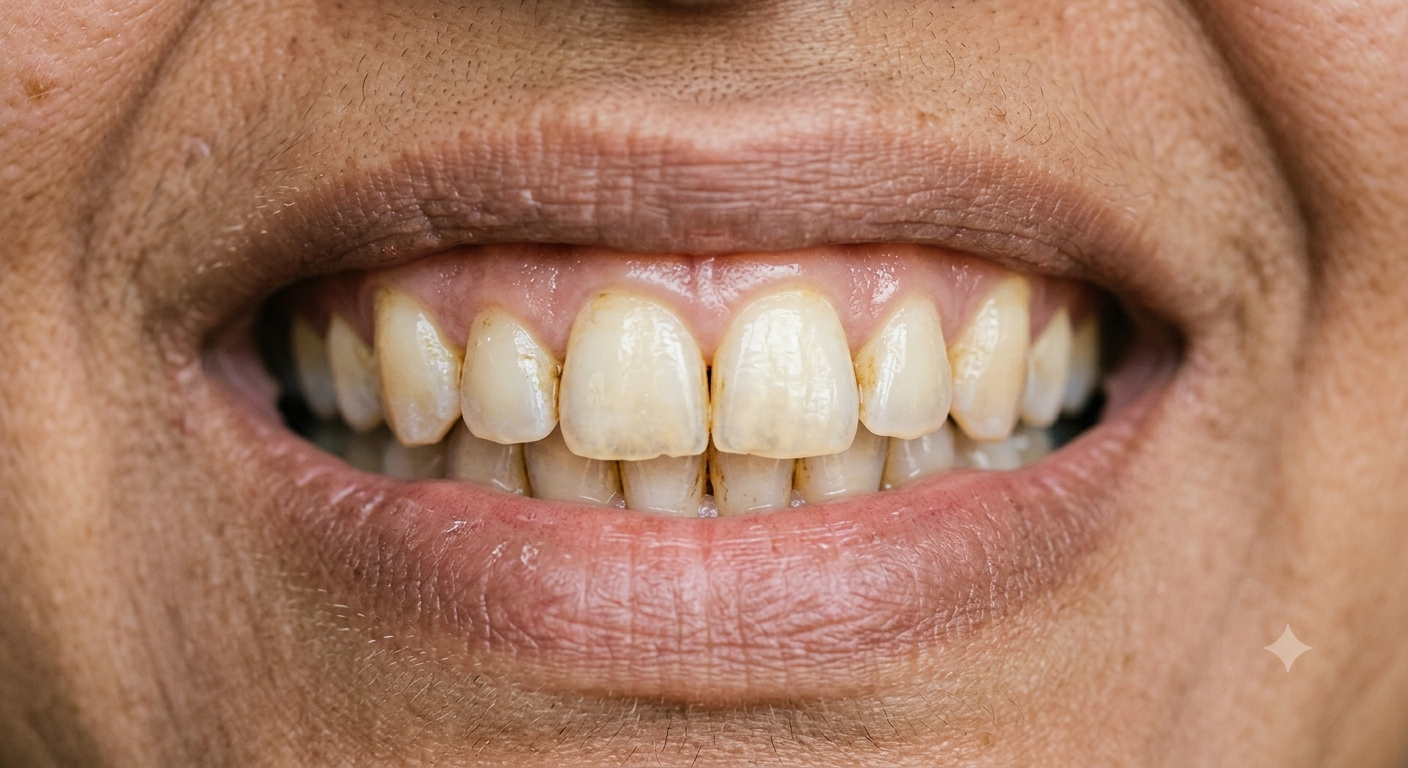
Extrinsic stains sit on the enamel surface, such as coffee or tobacco residue. However, intrinsic stains come from within the tooth, like those linked with aging or certain medicines. So, knowing which type of stain you are suffering with will determine the home remedies that will help you.
Extrinsic Stains
- It is caused by tea, red wine, coffee, and smoking.
- Sits on the outer enamel layer.
- Often appears as yellow or brown surface discoloration.
- Generally, responds well to teeth whitening at home methods or professional whitening.
Intrinsic Stains
- It is caused by certain antibiotics (like tetracycline), aging, tooth trauma, or fluorosis.
- Happens inside the tooth structure, below the enamel.
- Appears greyish or deep yellow in color, and is often uniform across teeth.
- Needs professional treatment rather than home remedies.
Why Knowing Your Stain Type Changes Everything
If your stains are extrinsic, teeth whitening home remedies can really help over time. However, if they are intrinsic, no amount of rinsing or scrubbing will lighten them. In that case seeing a dentist is essential to explore the right treatment options.
How to Whiten Teeth Naturally
If you are curious to know as to how to whiten teeth naturally, a few tricks have some actual evidence behind them. So, let’s see what actually works, and how to use them safely:
Baking Soda (Sodium Bicarbonate)
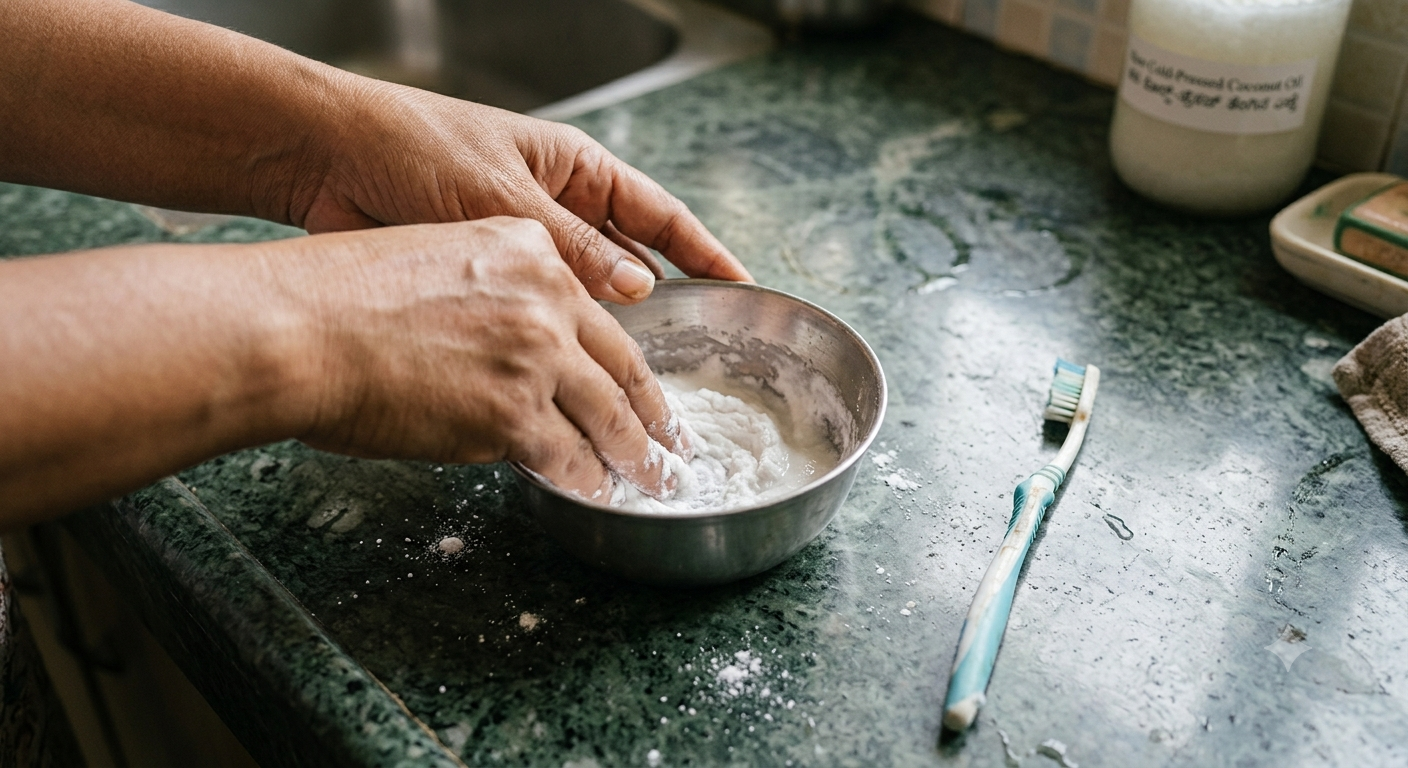
Baking soda works via mild abrasion. It gently removes surface stains without any harsh chemicals. However, it is not teeth whitening at home in 2 minutes, despite what some videos claim.
How to Use It Safely:
- Mix a small amount of baking soda with water to form a paste.
- Use it 2-3 times a week, not every day.
- Brush gently for one minute, then rinse well.
If you are wondering how fast does baking soda whiten teeth, you must not expect overnight results. Mild stains might lighten over several weeks to a few months with consistent use.
Pro Tip: Avoid using baking soda daily for a long time, as overuse can wear down your enamel.
Oil Pulling
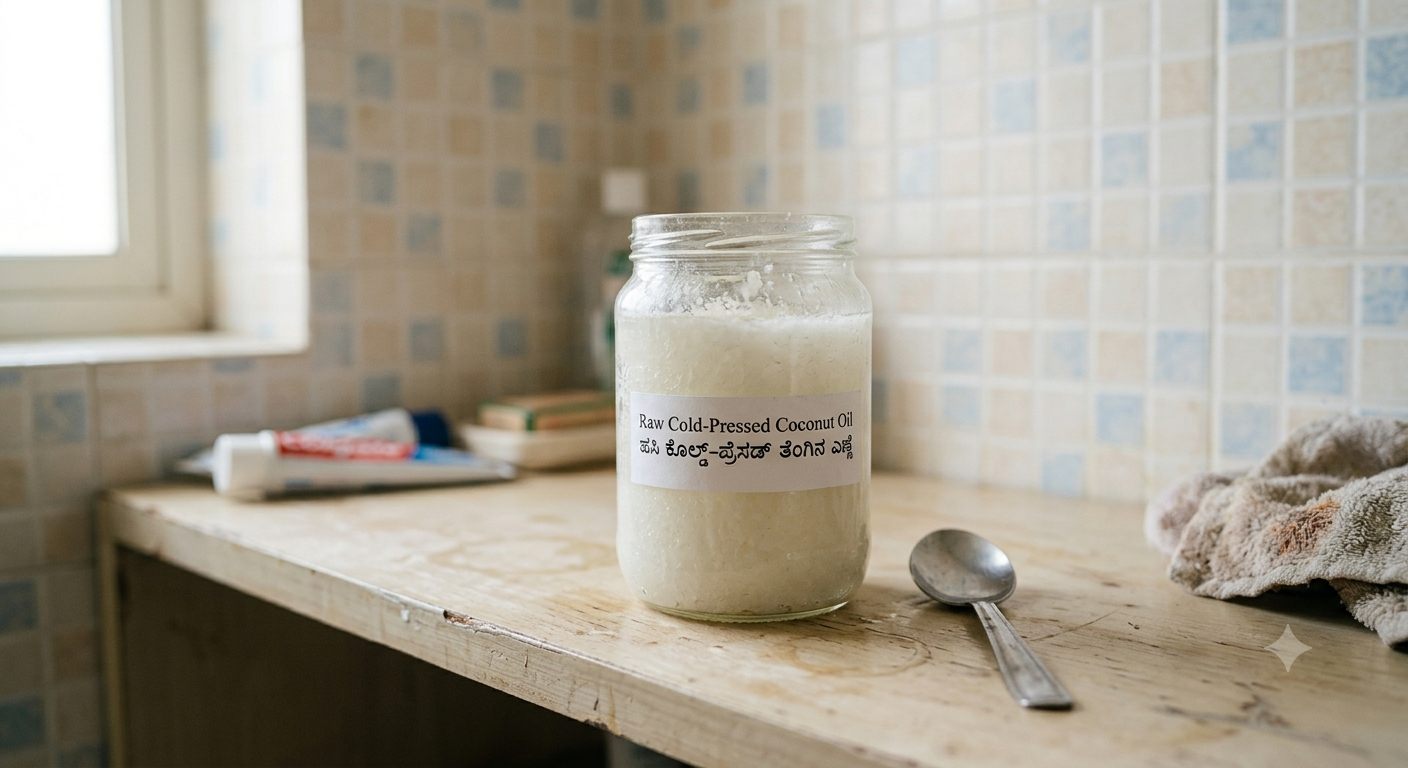
Oil pulling involves swishing coconut or sesame oil in your mouth for several minutes. It is a very old practice with limited scientific evidence for whitening specifically.
How to Use It Safely:
- Swish 1 tablespoon of oil for 10-15 minutes.
- Spit it out and never swallow it.
- Rinse it with water and brush your teeth as usual.
Most of the evidence points towards gum health benefits, and not dramatic whitening. Any brightening effect tends to be gradual and gentle, and not instantly.
Pro Tip: You must not expect it to replace brushing or professional cleaning.
Diluted Hydrogen Peroxide
Hydrogen peroxide teeth whitening at home is one of the most evidence-backed options, however, it must be diluted properly, as high concentrations can irritate gums, damage enamel, and cause sensitivity, making lower concentrations safer and effective.
How to Use It Safely:
- Use only a low concentration (around 1.5-3%), and dilute it further with water.
- Swish for not more than 1 minute.
- Never swallow it.
- Limit its use to few times a week.
Overusing it can irritate your gums, as the abrasive or acidic nature disrupts the delicate gum tissue, and also increase your tooth sensitivity. So, if you notice any discomfort, stop immediately and consult a doctor.
Pro Tip: Always stick to the diluted concentration and recommended frequency, using more or stronger hydrogen peroxide won't whiten teeth faster, it'll only raise the risk of enamel damage and sensitivity.
Natural Remedies That Do Not Whiten Teeth at Home
Not every “natural” trend is effective or safe to use. Some popular remedies can actually make your smile worse.
Lemon Juice and Apple Cider Vinegar
These have acidic properties, and acid erodes enamel. Any brightening effect is temporary and also comes at a real cost.
- Repeated use will thin your enamel over time.
- Thinner enamel exposes the yellowish dentin underneath.
- This can make your teeth look more yellow and not less.
So, avoid using it directly on your teeth, even occasionally.
Turmeric
Turmeric has a very long history in traditional remedies, however, there is very little proof that it helps whiten your teeth.
- The results are inconsistent and they are mostly anecdotal.
- It can also stain towels, clothes, and even sink surfaces.
- Some people also reported that they saw no visible change.
Fruit-Based Remedies (Strawberries, Banana Peel)
These are very popular online, especially for how to remove yellow stains from teeth naturally. The science does not back it up.
- Strawberries contain natural sugars and acids that can harm your enamel.
- Rubbing banana peel shows no strong proof of whitening, and any outcomes are short-lived and minimal at best.
- These remedies mainly polish the tooth surface temporarily rather than actually lifting stains, so the effect fades quickly.
These fruit-based remedies are not a reliable alternative.
Signs Your Yellowing Will Not Respond to Home Remedies
There are some discolorations which will not go, even after home care. You should watch for these signs:
- Deep, uniform yellow or grey discoloration across all your teeth.
- Staining that is linked to medication use in childhood (like tetracycline).
- Discoloration after a tooth trauma or injury.
- Stains that continue even after months of regular home care.
- Tooth sensitivity along with discoloration.
If any of these apply to you, then home remedies in your case will not work, and may even cause harm if overused.
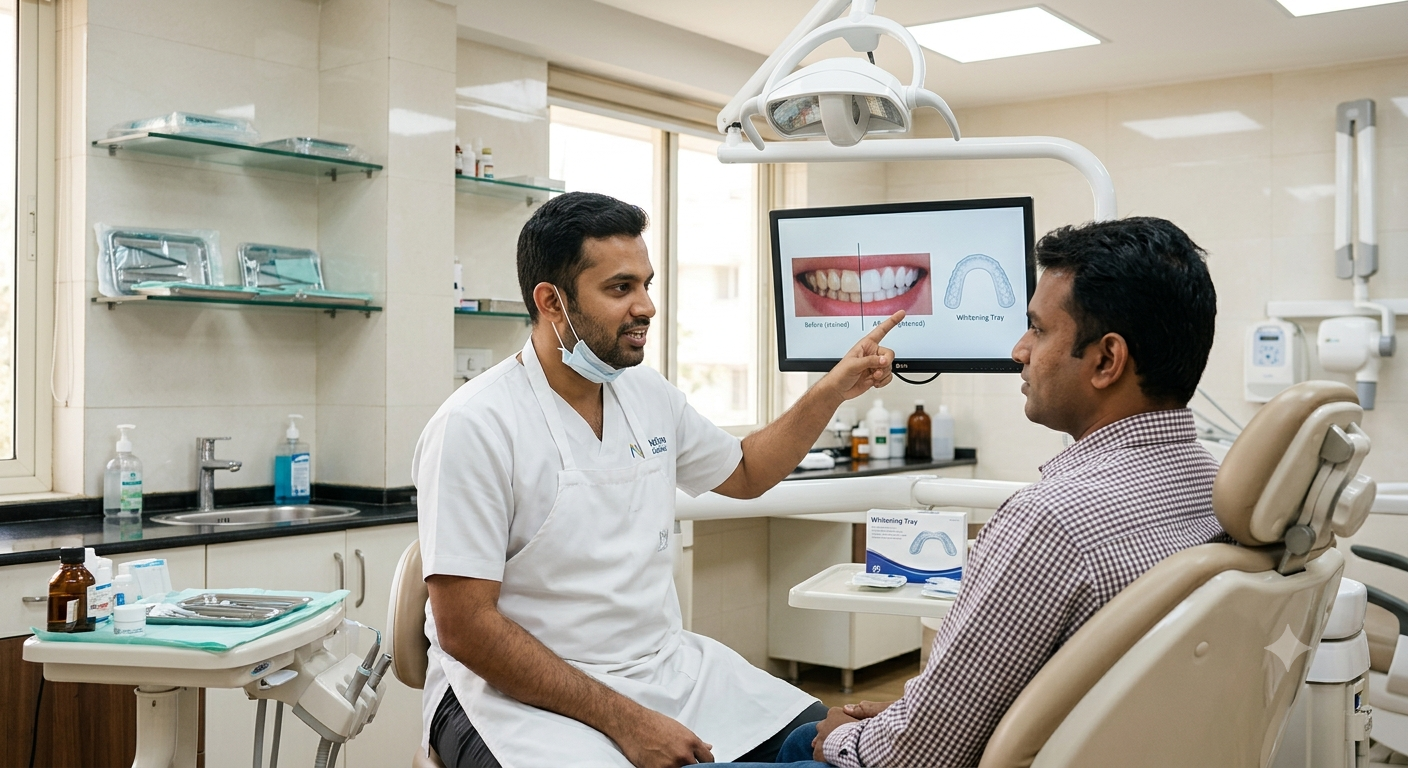
What a Dentist Can Do That Home Remedies Cannot
Home remedies have certain limits. A dentist can provide treatments that reach much deeper and lasts longer.
- Professional Whitening: Higher-strength, dentist-supervised treatments that work quicker and more evenly.
- Veneers: Thin shells that cover damaged or stained teeth fully.
- Bonding: A tooth-colored resin applied to cover discoloration.
- Custom Treatment Plans: Based on your particular stain kind and dental history.
If you are unsure what category your stains fall under, or if home care has not worked after a few months, then it is time to consult a dentist.
Table 1: Home Remedies- Work vs Avoid
Table 2: Quick Do’s and Don’ts
Conclusion
Some teeth whitening home remedies really help, especially for surface stains from tea, coffee, or smoking. Others just waste your time, and a few can also quietly damage your enamel. When you are in doubt, or the stains continue, it’s best to consult a dentist.
Frequently Asked Questions
How Long Does It Take to Remove Yellow Stains from Teeth at Home Naturally?
Mild surface stains may lighten in a few weeks to a few months with consistent and careful use. Outcomes may vary by stain kind and habits.
Why Are My Teeth Yellow Even Though I Brush Regularly?
Yellowing can come from aging, diet, or intrinsic factors such as medicines, and not just poor brushing. Some causes require professional treatment to completely resolve.
Can Yellow Teeth Ever Become Fully White Naturally?
Extrinsic stains can often lighten significantly with home care. Intrinsic discoloration generally needs expert treatment to completely resolve.
Is Baking Soda Safe to Use on Teeth Every Day?
No. Daily long-term use can wear down your enamel. So, it’s advisable to stick to using it 2-3 times a week at the most.
What Foods and Drinks Stain Teeth?
Tea, coffee, red wine, berries, dark sodas, and tobacco are common culprits. So, rinsing your mouth with water after consuming them can help reduce staining with time.
Reviewed By:
Dentist, IRIS Healthcare Clinic, Pune
This article is for general educational purposes and does not replace personalised medical advice. If you think you may have dental problems, consult a qualified healthcare professional on MediBuddy.


